The North of France is a gold mine for lovers of history, art, and architecture. In the twenty-first century, the region underwent a sustained cultural revival, both at a European and local level, and now has a marked cultural identity, as well as a great diversity of historical monuments. If you’re passing by and in search of cultural activities, here are five places you shouldn’t miss.
La Musée de la Piscine in Roubaix
See also: Travel the World Through Art
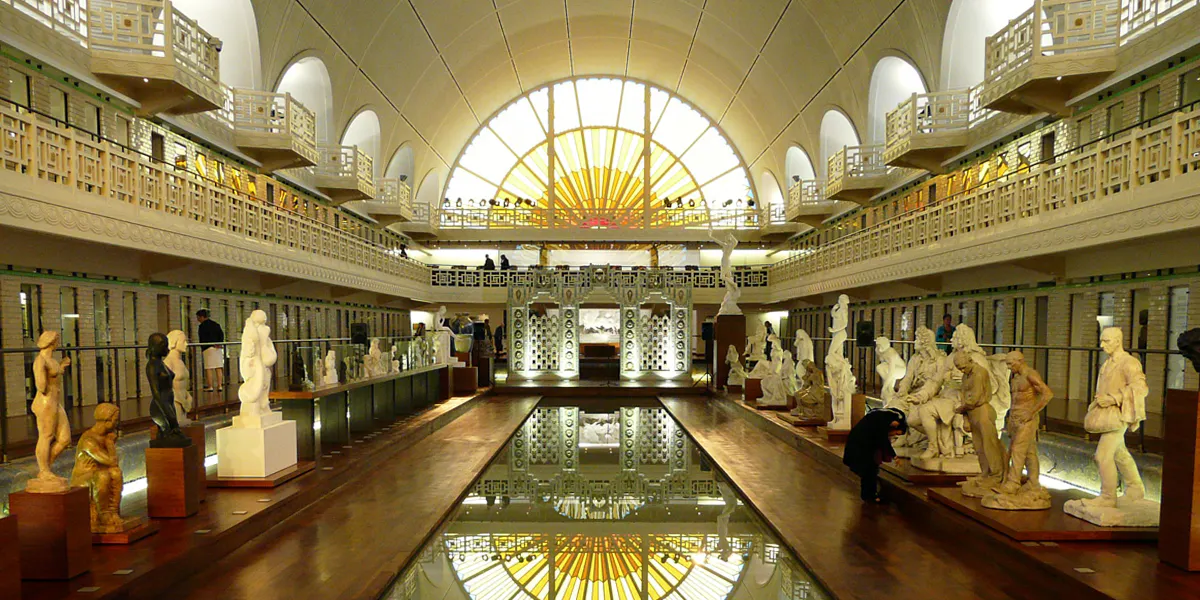
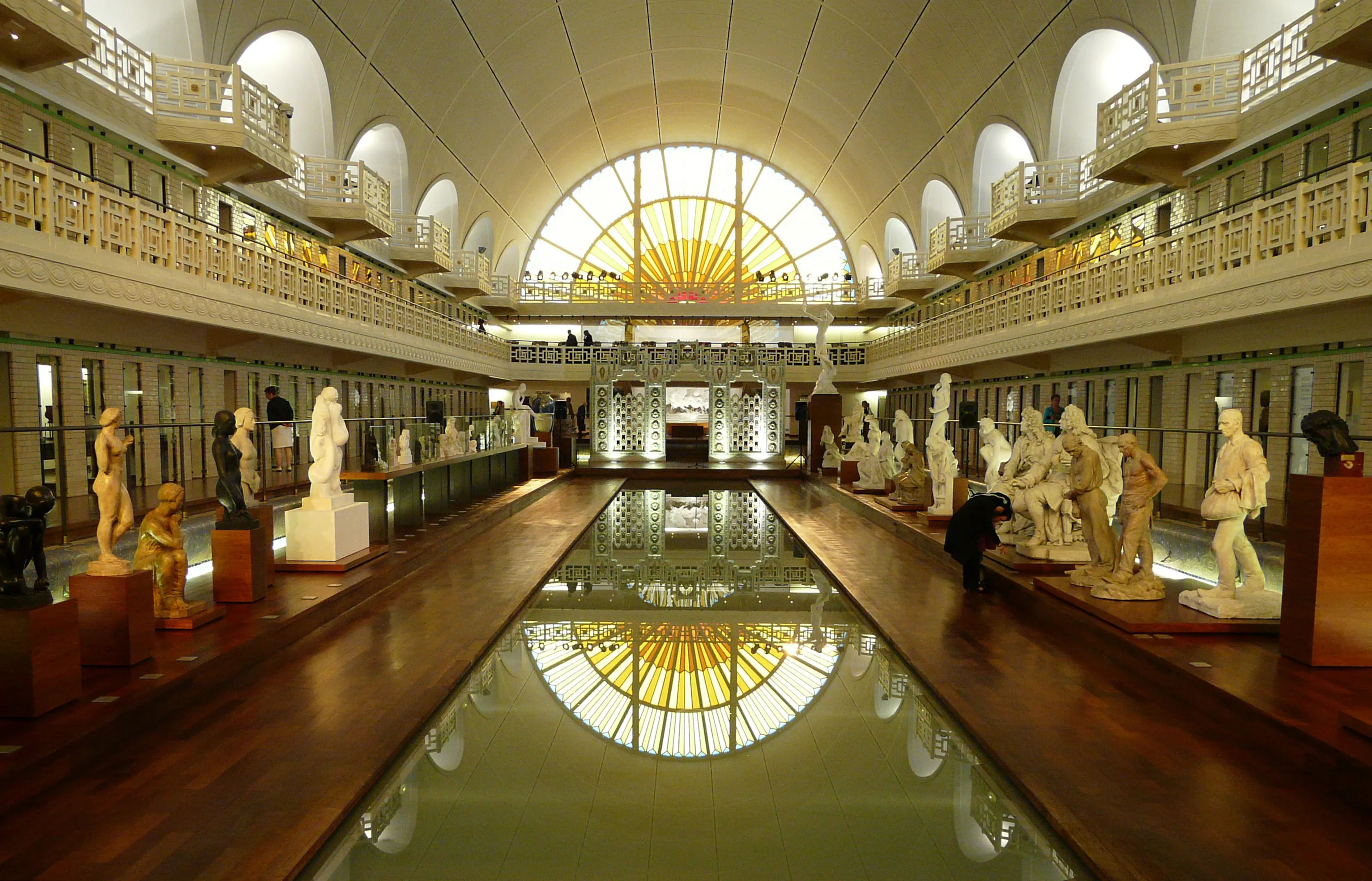
The Musée de la Piscine is a real architectural gem in the Art Deco style of northern France. Located on the site of a former swimming pool by Lille architect Albert Baert (1863-1951), the museum reopened its doors in 2001 thanks to the initiative of Mayor Jean-Baptiste Lebas. Since its inauguration, the collection has continued to grow. Grouping collections from the historical museums of Roubaix, the museum fund aims to erase any hierarchy between Applied Arts and Fine Arts, and thanks to a dynamic acquisition policy, the institution now offers a beautiful overview of the diversity of artistic production dating from the nineteenth and twentieth centuries.
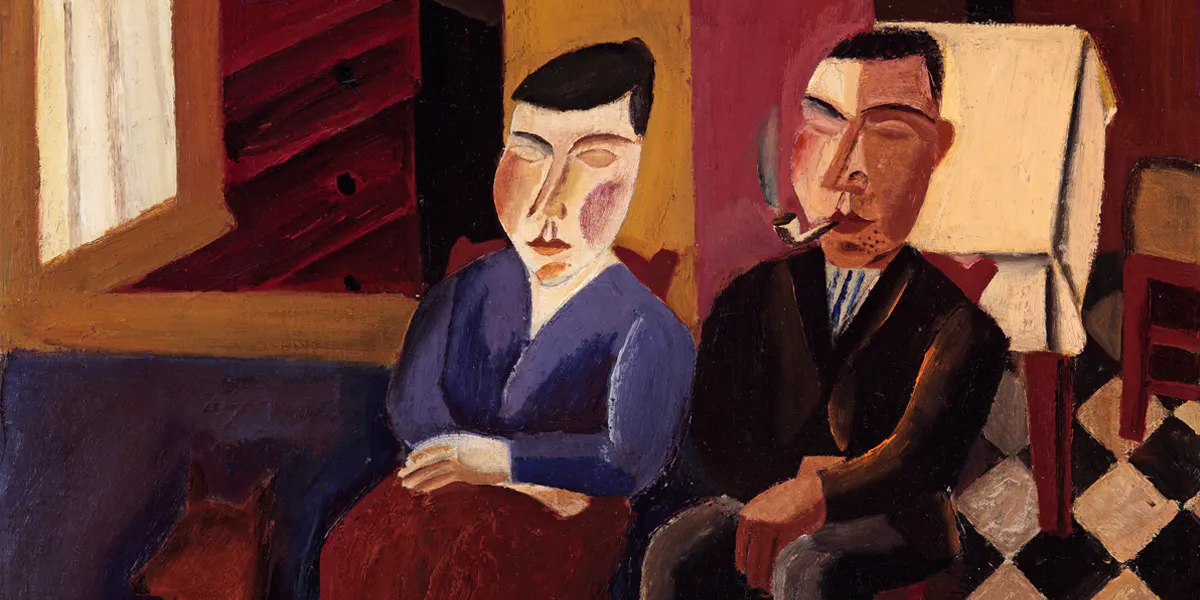
The collection includes textiles, decorative arts, sculptures, paintings and drawings. In particular, you can admire work by Jean-Auguste-Dominique Ingres, a portrait by Pierre Bonnard and an emblematic chair by Charles and Ray Eames.
Le Palais des Beaux-Arts in Lille
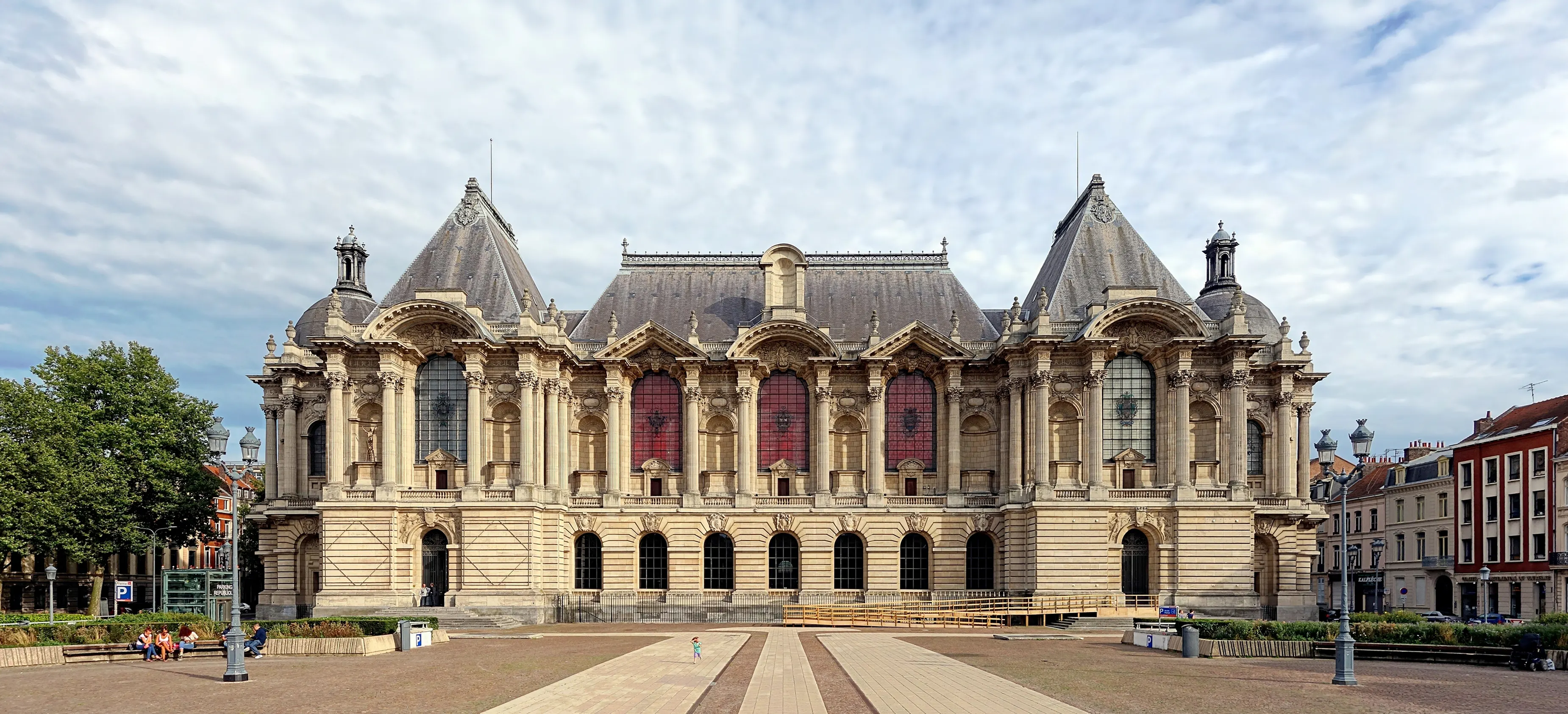
The Palais des Beaux-Arts in Lille is another must-see place in the North region. Its collection of art and antiques is impressive, and it’s also the largest museum of fine arts outside of Paris for the number of works exhibited. To this day, the collections are divided between eight departments: Prehistory and Antiquities; Middle Ages and Renaissance; 16th- to 21st-century Paintings; 19th- and 20th-century Sculptures; Ceramics and Works of Art; Map-Reliefs; Drawings and Photography; and Medals and Medallions.
The Palace, inaugurated on 6 March 1892, was financed by a lottery organised by the city, which put five-million tickets on sale at one franc each. Since the sale raised only half of the expected funds, the construction by architects Bérard and Delmas had to be scaled down, but continued all the same. Besides the many treasures it contains, the building itself is worth the detour, and it has been listed in the inventory of historical monuments since 1975.
Some of the highlights of the collection include a drawing by Raphael, two works by Francisco de Goya and a marble bas-relief by Donatello.
The LaM
See also: The History of Notre Dame
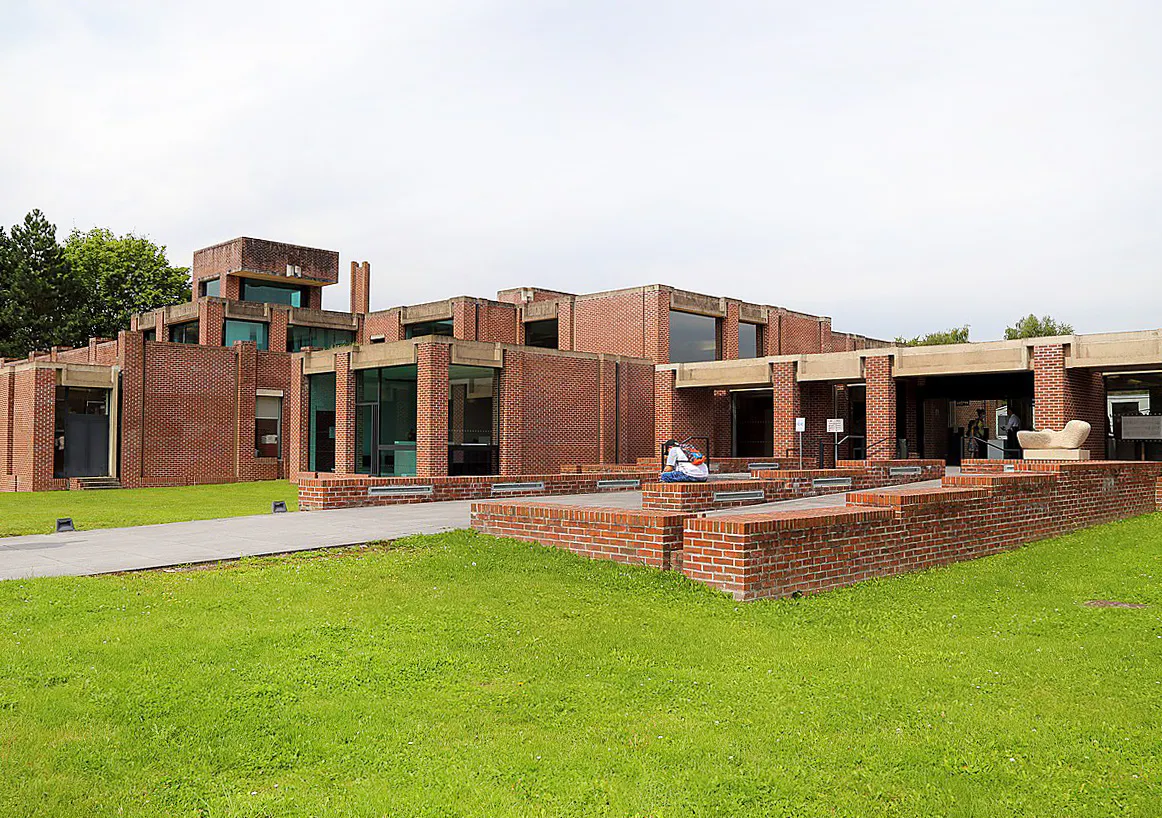
The LaM, formerly known as ‘Musée d'Art Moderne de Villeneuve-d'Ascq’, is the only museum in Europe to simultaneously present collections of modern art, contemporary art and art brut. The collections are housed in a red-brick building designed by Roland Simounet. This building, characterised by harsh lines and an almost Mediterranean charm, is located in a 23,000 m² park, interacting closely with the landscape.
In addition to an exceptional collection of modern art built up from the very beginning of the institution and a collection of art books and precious works, the LaM brought in a rich collection of art brut thanks to a donation from the Aracine association. This setting, comprising 3,500 works from the time of the donation in 1999, today constitutes the largest public collection of art brut in France.
The museum library and its park, which houses magnificent sculptures, are also worth a visit.
The Louvre-Lens
See also: The 10 Most Famous Works of Art and Where to Find Them
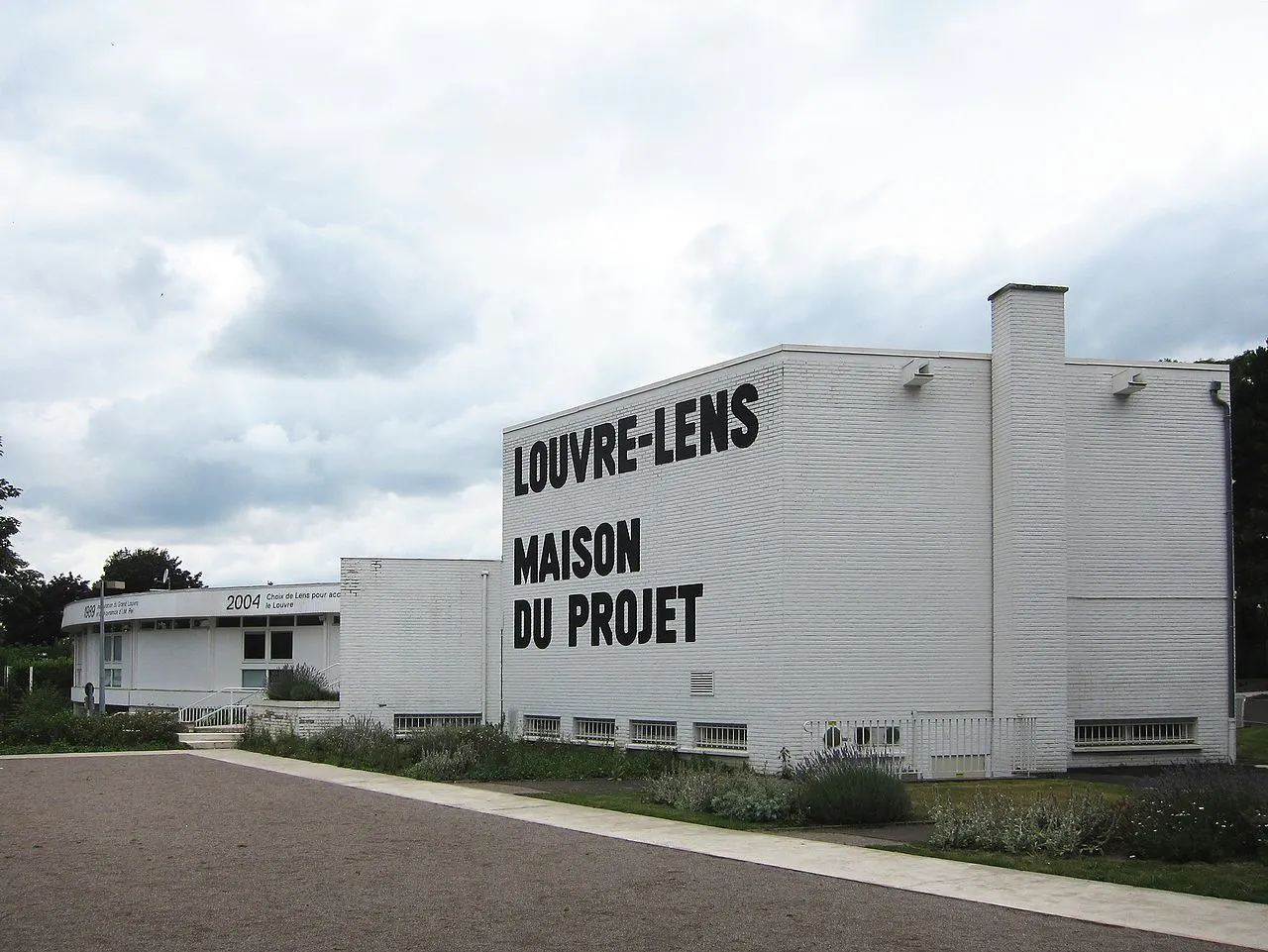
This ‘second Louvre’, located in Lens in the Pas-de-Calais, opened its doors in December 2012. It is a true symbol of the reconversion of the mining area undergone by the region. The very modern Louvre-Lens museum extends over a 20-hectare park. Five buildings are linked together by a continuous path, the ‘Galerie du temps’, whose natural light deflects the slightest shadow or reflection on the works. This gallery, the museum’s gem, offers visitors ‘5,000 years of history at a glance’: exhibiting more than two-hundred masterpieces (loaned by the Louvre museum and the Musée du quai Branly - Jacques Chirac) along a chronological route spanning from the fourth millennium BC to the middle of the twenty-first century.
Gare Saint Sauveur, Lille
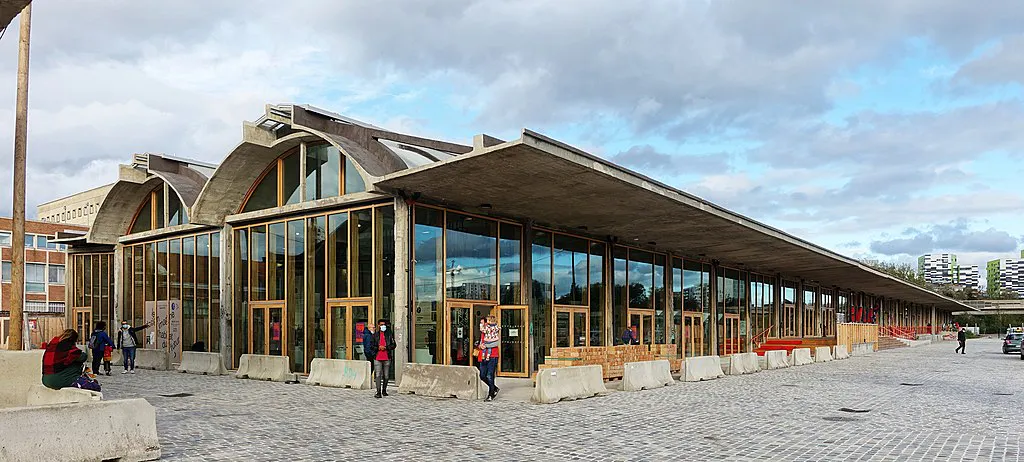
The Gare Saint Sauveur is above all the story of a rebirth. A former French railway station of the Paris-Lille line, it was converted in 2009 into a place of culture by the Lille 3000 association, which aspires to be a continuation of the dynamism instilled in the city in 2004 as the European Capital of Culture.
Today, the site has become a particularly family-friendly leisure and exhibition space.
Don’t wait a moment longer to take a trip to the North of France, and happy visiting!