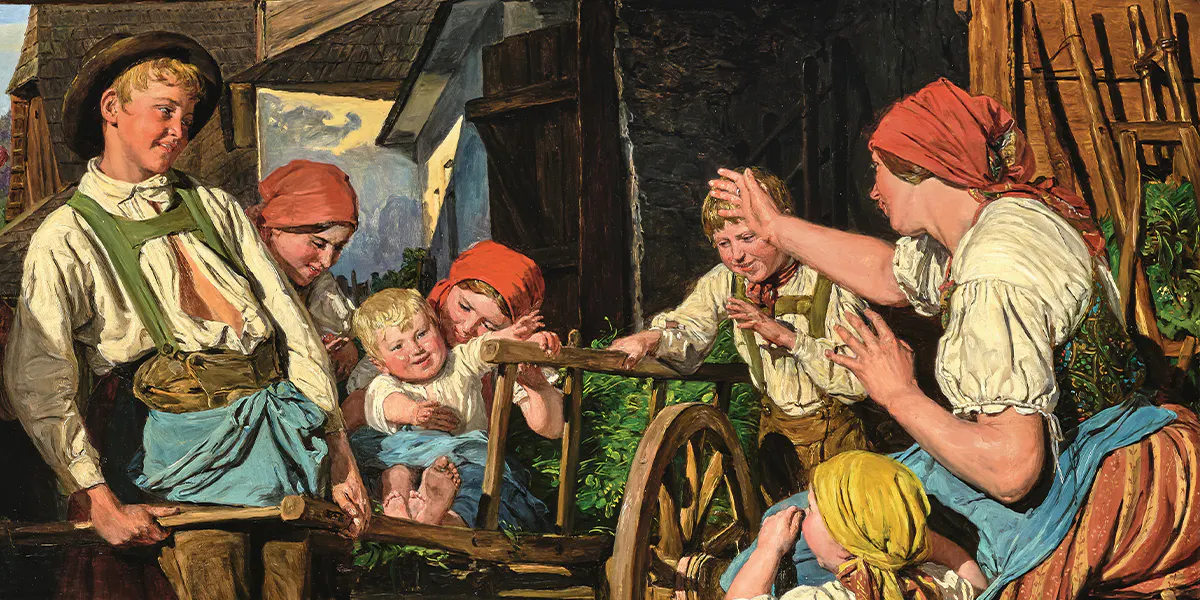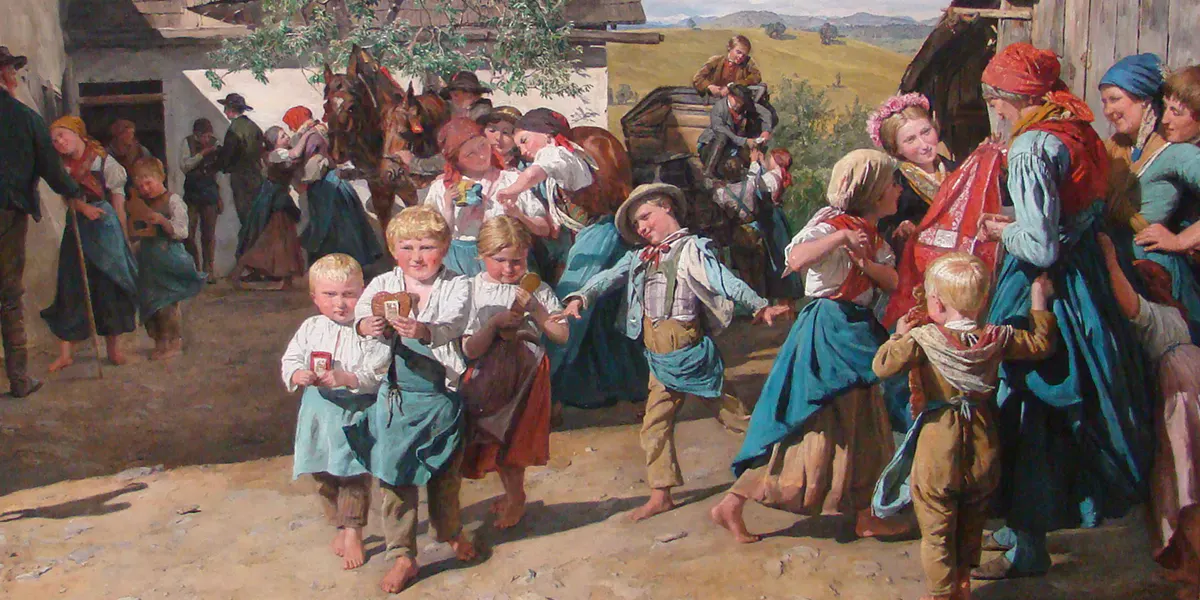
The Biedermeier period (1815-1848) was marked by political stability and economic growth and is known for its flourishing of the arts, including painting, furniture, literature and music. Today, Ferdinand Georg Waldmüller is considered one of the period's leading artists, focusing mainly on portraits, landscapes and genre paintings.
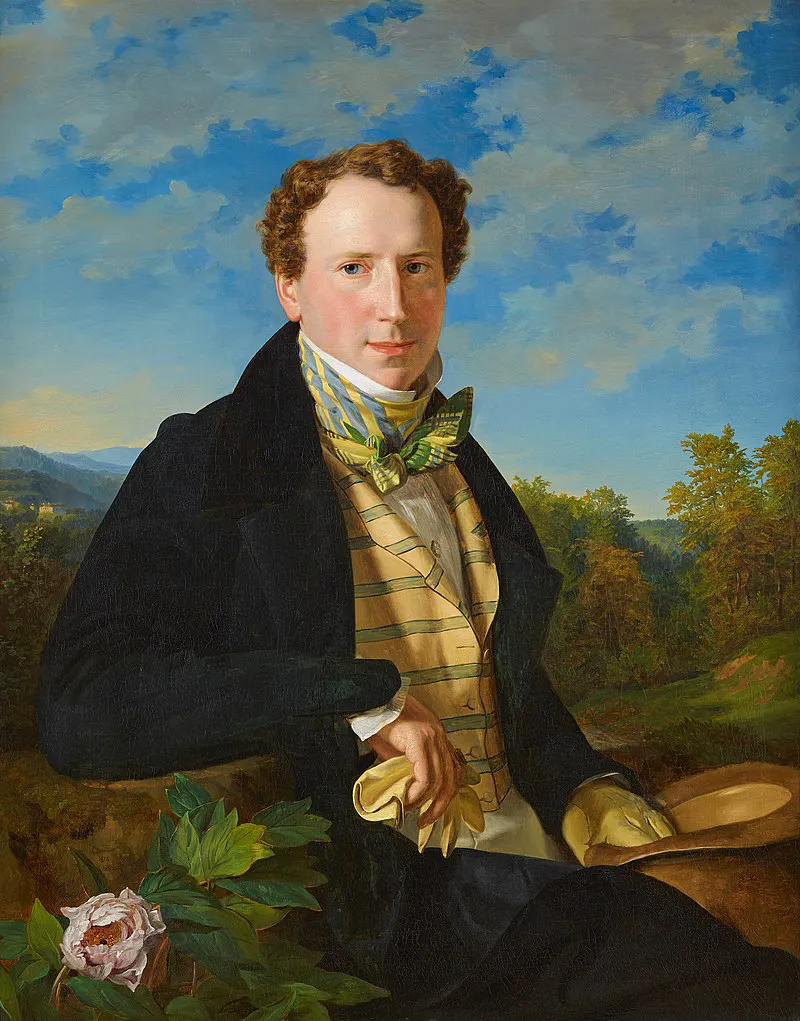
Born in Vienna in 1793, Waldmüller worked as a portrait painter after a sparse artistic education. It was his first wife, the opera singer Katharina Weidner, who financed the joint household after their marriage in 1814, while her husband worked as a scenery painter at the theatre. These circumstances were one the reasons why the marriage, out of which four children were born, was rather unhappy, leading to the couple's divorce in 1834.
See also: Beauty is Truth: A Real Portrait of Empress Elisabeth of Austria
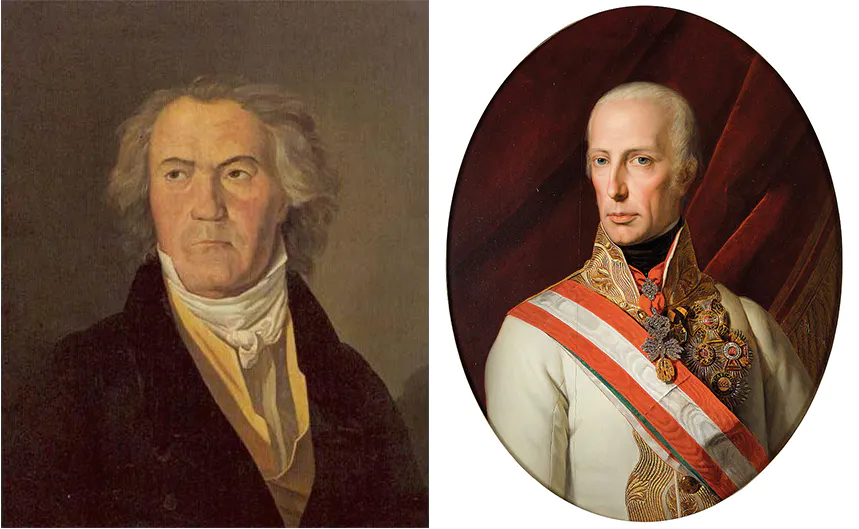
During their 20-year marriage, Waldmüller painted the composer Ludwig van Beethoven and, in 1827, the then Emperor Franz I, which subsequently brought him commissions from high circles.
See also: The Art of Plein Air Painting
In order to broaden his horizons, he repeatedly undertook study trips to Italy and Paris. He first visited the French capital in 1830, the year the Barbizon School was founded, whose representatives devoted themselves to plein-air painting and laid the foundation for later Impressionism.
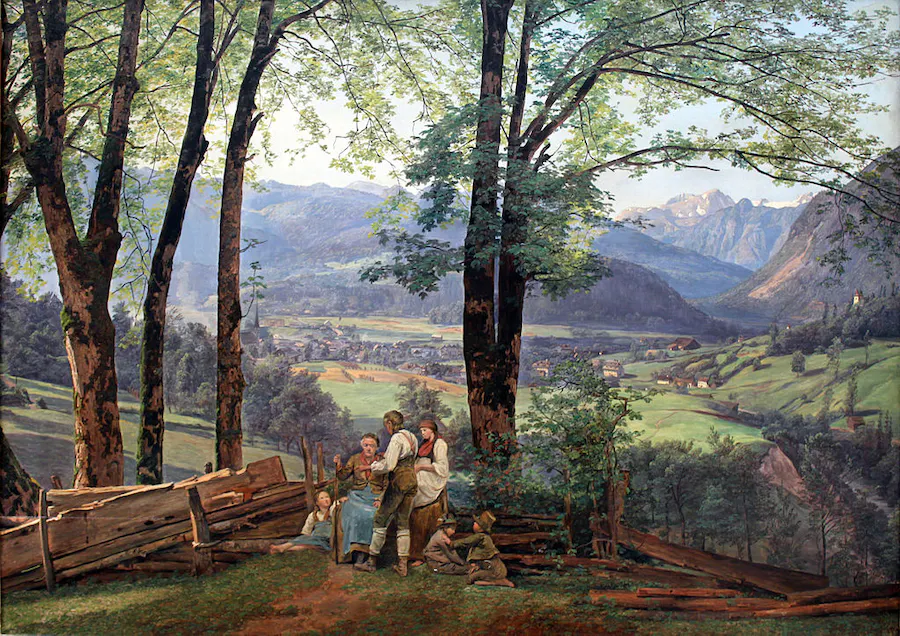
Waldmüller also took lessons in landscape painting and preferred to portray the Salzkammergut around Bad Ischl, Austria and the Prater in Vienna.
See also: Caspar David Friedrich: The Melancholy Romantic
A year after the end of his marriage, Waldmüller became a councillor at the Academy of Fine Arts Vienna, along with a professor's title and salary. He was full of energy and in the 1840s brought many reform proposals to the conservative academy, all of which were rejected and ultimately cost him the professorship. In 1857 he was finally suspended and had to make ends meet on a small pension. His reputation was badly damaged. He was only able to exhibit his works in the fashionable salon of his second wife, Anna Bayer, whom he had married in 1851.
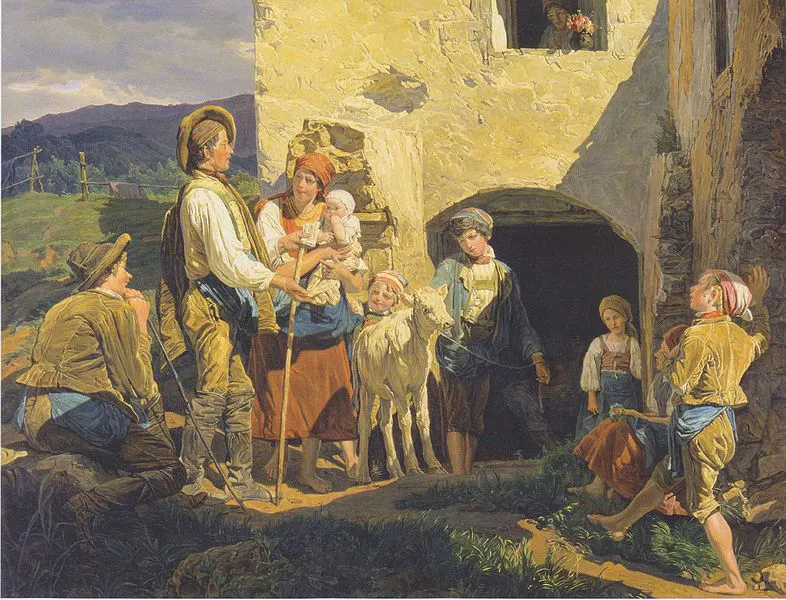
Waldmüller considered all academies superfluous because they were artistically restrictive. He would have also preferred to see the funds available used to promote young artists. Above all, however, it was his commitment to plein-air painting, which he preferred to studio painting, that caused the controversy.
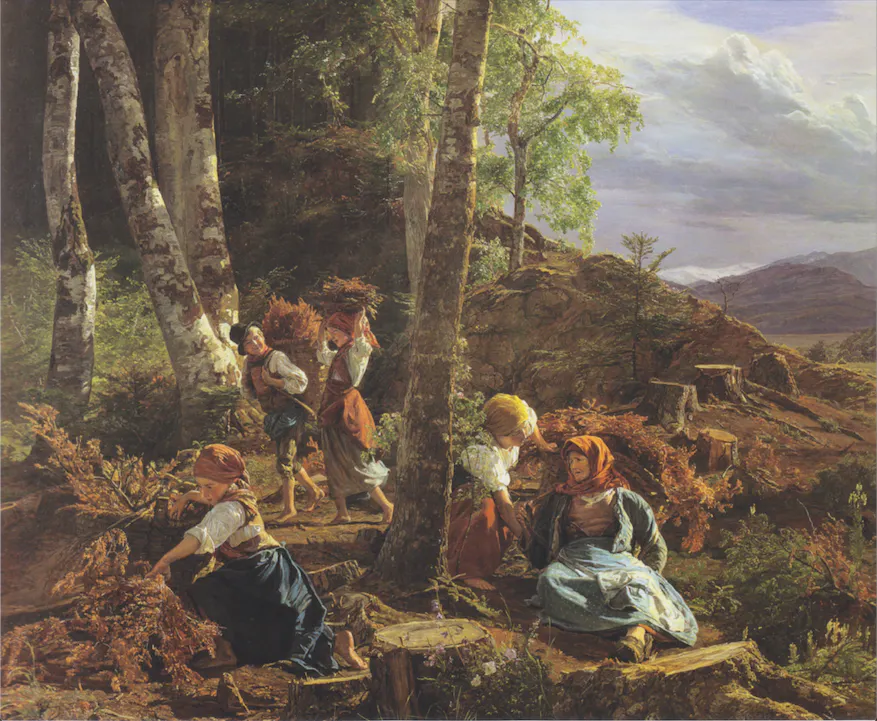
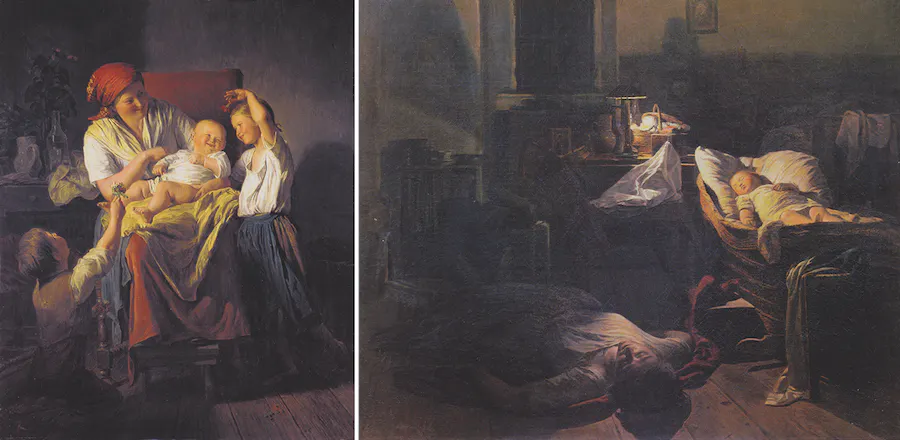
Waldmüller stuck to the path he had taken and perfected his painting, which bordered on photographic realism, in his genre paintings. He experimented with the incidence of sunlight, using its effect on the people portrayed as a narrative element.
Want more articles like this? Subscribe to our free newsletter!
Waldmüller found the motifs for his genre paintings in the rural areas of Austria. At first glance, these works seem to reflect a romanticised version of rural life. On closer inspection, however, the socially critical echoes catch the eye, such as the fate of fatherless families, child labor and women who must balance their work and role as mothers.
Although Waldmüller's image in his homeland was tarnished, he was still able to celebrate successes abroad: exhibitions in London made Queen Victoria one of his clients. Waldmüller was reinstated by Emperor Franz Joseph I in 1864 and from then on received a pension equal to his last salary as a professor.
He couldn't enjoy it for long because he died on August 23, 1865 in Mödling, Lower Austria. After a phase of oblivion, Waldmüller's role as an important painter was recognized and increasingly appreciated. Today, his works are offered at auctions at high prices and exhibited in prestigious museums like the Belvedere in Vienna, the Met and the Louvre.