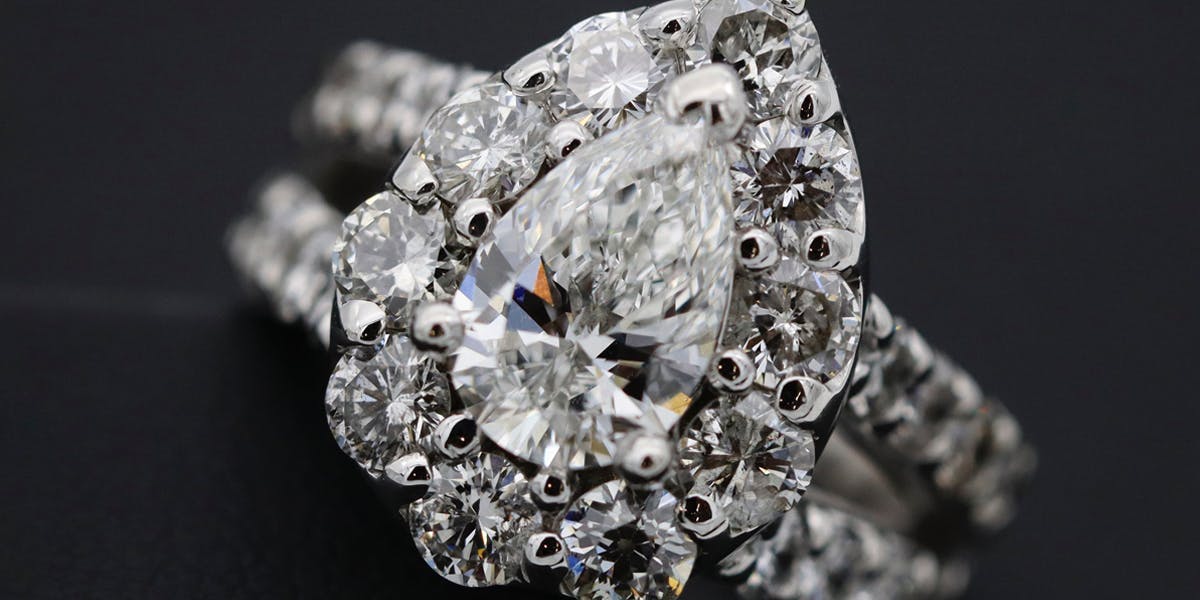
We've all heard these phrases: “A diamond is a girl's best friend” by Marilyn Monroe, “Big girls need diamonds” by Elizabeth Taylor, or even “A diamond is forever” by Mary Frances Gerety.
If you’re not familiar with the third sentence, “A diamond is forever” was in fact the slogan of one of the very first advertising campaigns to promote diamonds.
In the past eighty years, no other gemstone has played such an important role in popular culture as diamonds. From engagement rings to anniversary gifts, diamonds are now some of the best-selling jewellery in the world. But how did they become so popular?
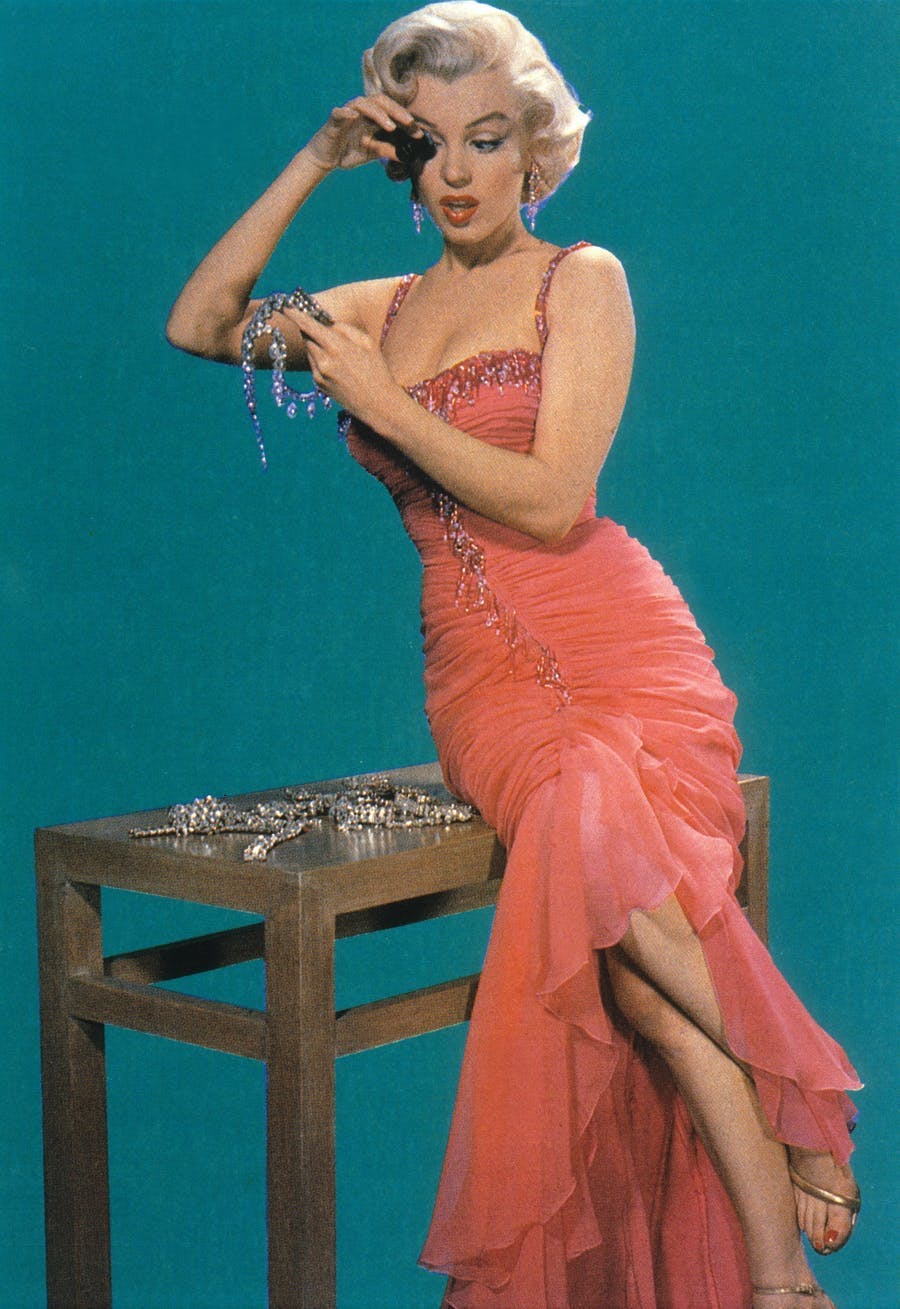
It all started in the United States following the Great Depression. For centuries since its commercialisation in the 14th century, the diamond had served as a symbol of wealth and superiority, but it was not until the mid-1930s that the stone became synonymous with love and marriage. The modern association between diamonds and love began as America only just started to recover from the Great Depression.
See also: The World's 10 Most Expensive Diamonds
Diamond sales reached a new clientele in the late 1920s and early ‘30s when some of the greatest fortunes suffered from the recession. Today, the diamond market is worth around $65-70 billion globally, but by 1939 wholesale diamond sales were barely $20 million.
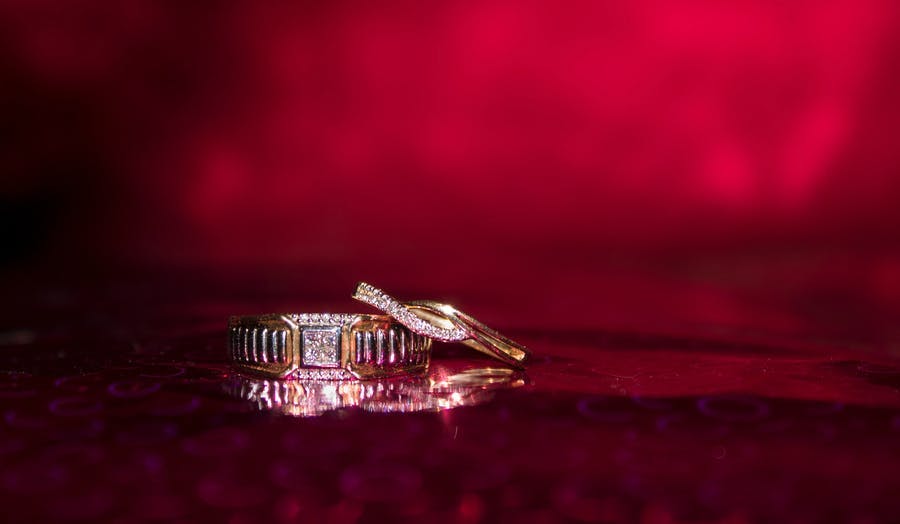
In 1938, De Beers, the international company which then held the essential monopoly of the production and supply of diamonds, decided to advertise to boost sales. Research conducted by an advertising agency nevertheless proved that diamonds were still primarily perceived as reserved for the ultra-rich.
See also: Is the Hope Diamond Really Cursed?
It wasn't until the late 1940s that De Beers and their agency found their most famous slogan. The phrase “A diamond is forever” by Mary Frances Gerety was coupled with a campaign targeting Hollywood celebrities, establishing itself as one of the brand's great successes. The slogan became the official motto of De Beers for around fifty years.
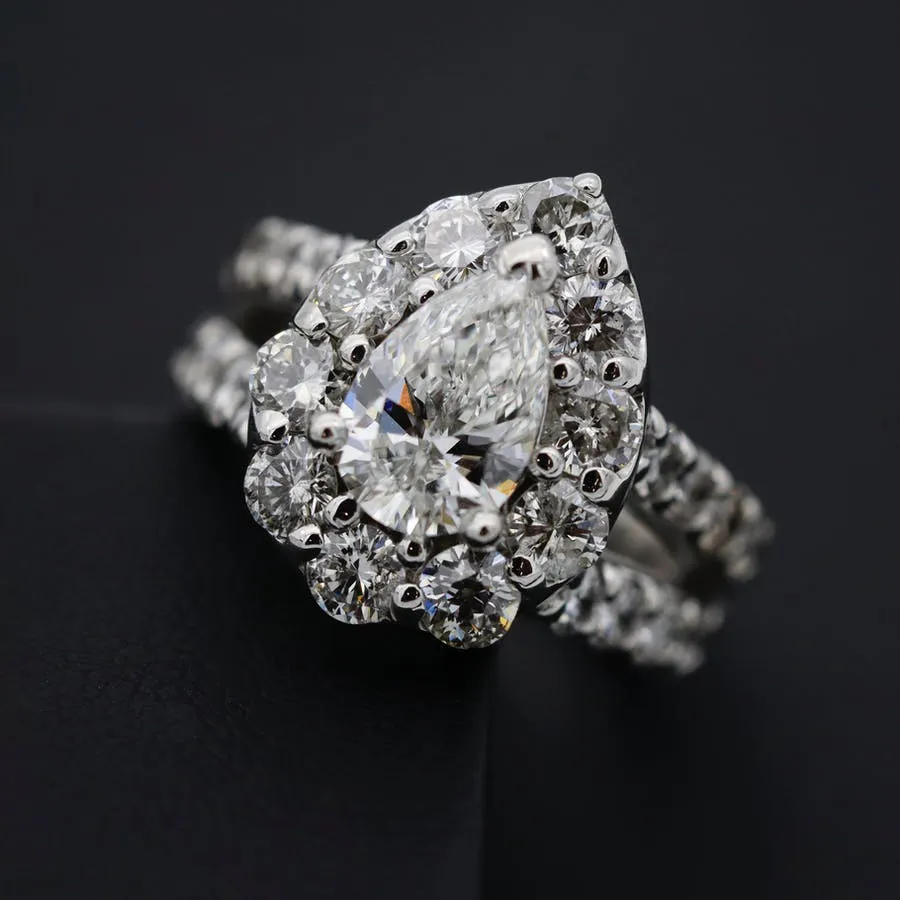
Within a few years, sales of diamond jewellery increased by 55%. A study published in 1951 by the De Beers’ advertising agency found that “the tradition of diamond engagement rings is growing stronger. Jewellers now tell us that a girl is only engaged if she has a diamond engagement ring”.
See also: The 9 Most Popular Jewellery Brands
Over the next thirty years, diamond sales totaled $2.1 billion in the United States, making this campaign one of the most successful in modern advertising history. “A diamond is forever” was named the Slogan of the Century by Advertising Age , the advertising industry's leading publication.
Has the mystique, allure and meaning of the diamond been maintained?
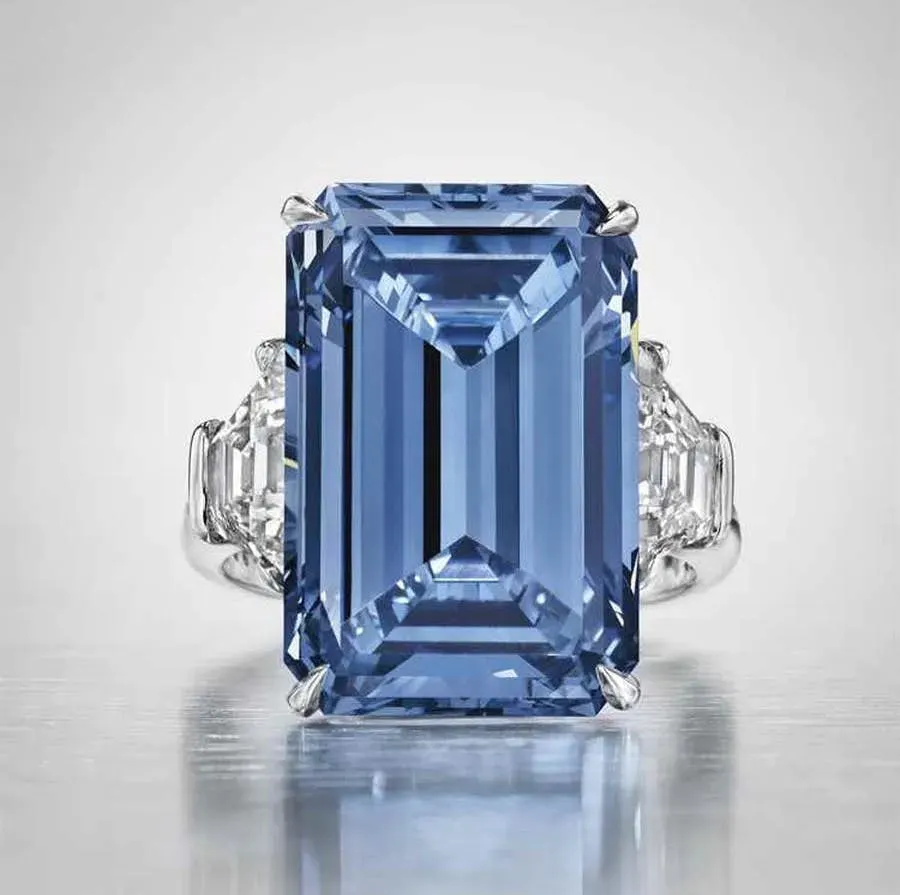
Today, around 26,000 kg of diamonds are mined each year and around 100,000 kg are synthesised. Synthesised diamonds are made in a laboratory using chemical processes. The moral and political issues associated with mining and the increased industrial demand for diamonds have greatly favored the use of synthetic diamonds, which are often considered to be of equal or nearly equal quality to refined diamonds.
See also: Tiffany: The King of Diamonds
In 2016, the CEO of De Beers announced that the global supply of diamonds was set to peak, due to rising mining costs. Real diamonds, whether newly discovered or found in jewellery made before the invention of synthetic diamond synthesis, are therefore considered more precious today than ever.
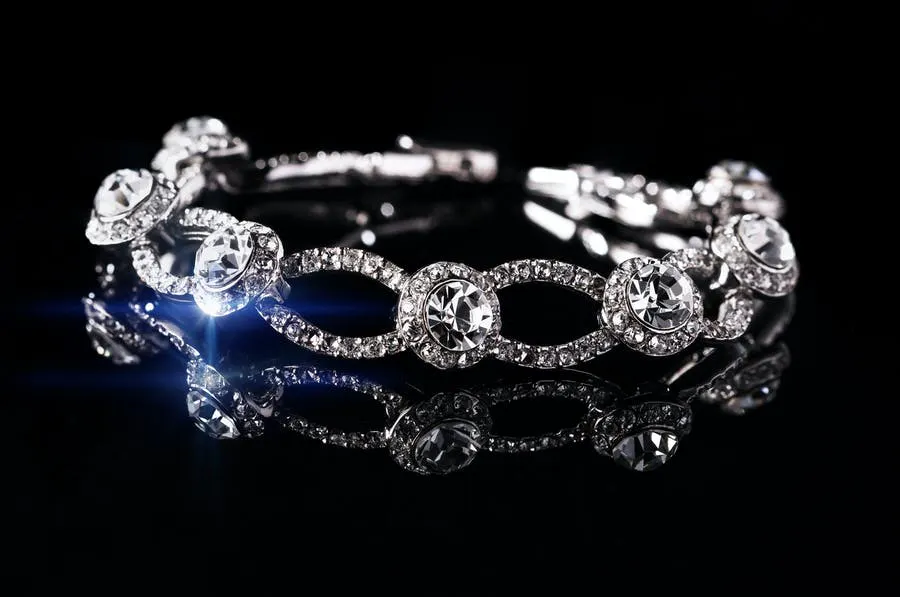
In summary, diamonds remain in high demand in the United States and elsewhere. And while the diamond engagement ring still drives sales, current trends indicate that women are more likely than ever to purchase their own diamond jewellery. After all, a woman is never better served than by herself.
For collectors and jewellers, these trends suggest that diamonds are a great investment, any pieces purchased (whether new or old) will only increase in value over time.

![Katsushika Hokusai, 'The Great Wave off Kanagawa', from the Thirty-six Views of Mount Fuji series, late 1831, woodblock print [detail]. Photo © Christie's](https://images.prismic.io/barnebys/9a853ca0-9b2e-465d-b599-34482b728a3a_h10.jpg?auto=format,compress)