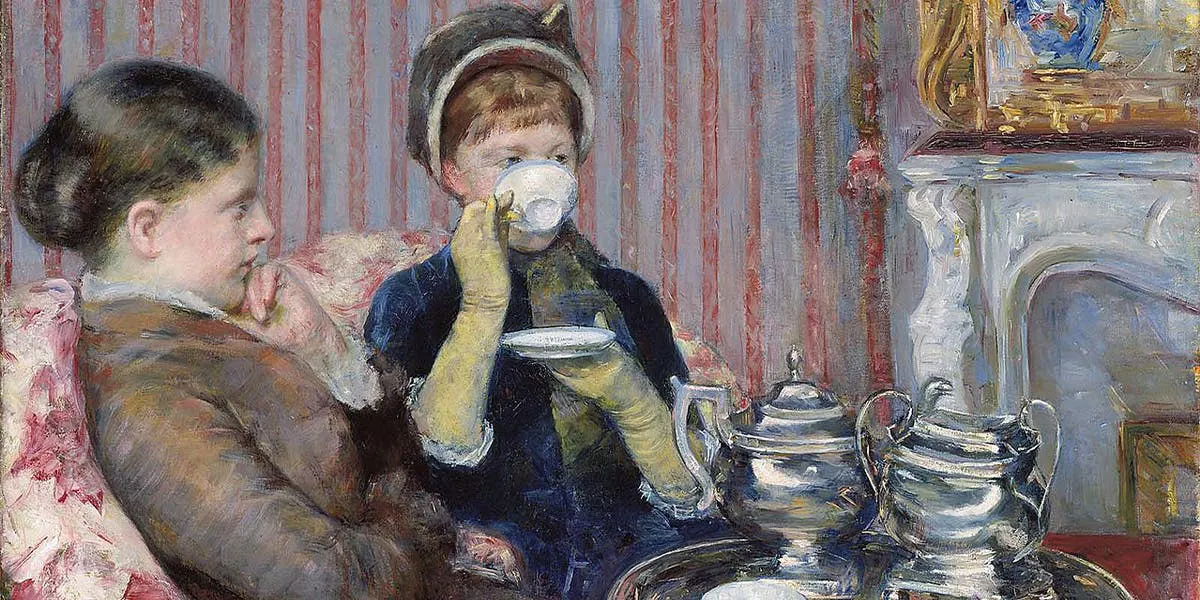
With my art I have touched the souls of many people: they have perceived love and life. Can you offer me something comparable to this joy?
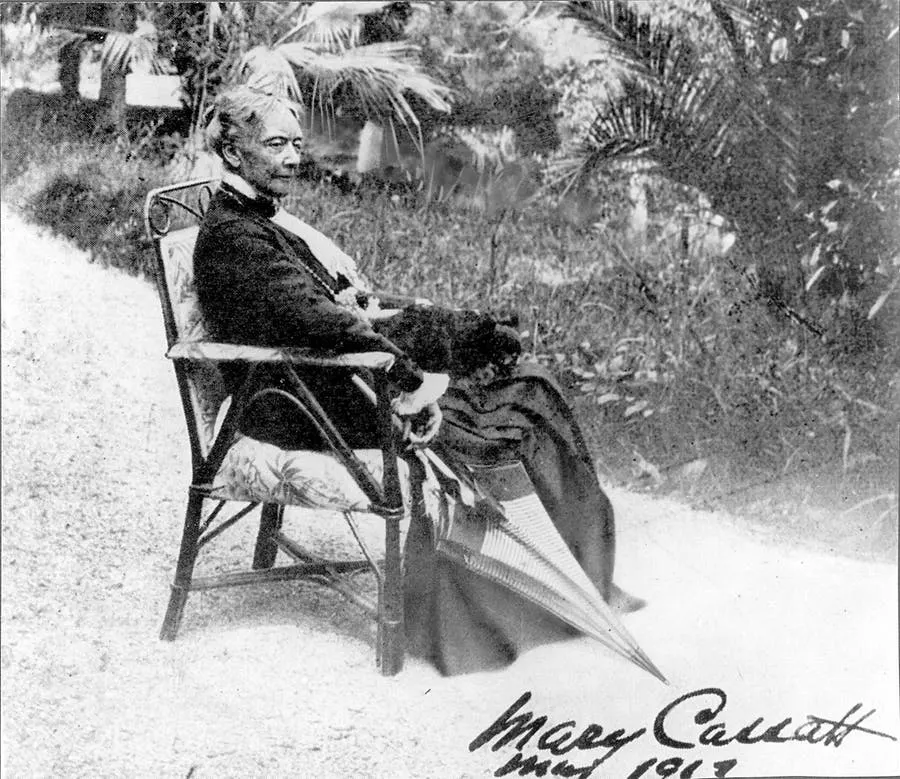
Mary Cassatt was described by the French art critic Gustave Geffroy as one of the "les trois grandes dames" (the three great ladies) of Impressionism, along with Berthe Morisot and Marie Bracquemond. Cassatt was able to "live by art", making it a real profession as men did, which was rare at the time.
See also: 12 Women Who Rocked the Art World
Mary Stevenson Cassatt was born on 22 May 1844 in Pittsburgh, Pennsylvania, into an educated and wealthy family that considered travel an integral part of the cultural formation of young people. At a very young age, the painter visited important European capitals such as Berlin, London and Paris. In Paris, she came into contact with Eugène Delacroix, Jean-Baptiste-Camille Corot, Jean Auguste Dominique Ingres and Gustave Courbet and, in 1866, since women could not attend the École des Beaux-Arts, she took private lessons, often going to the Louvre Museum to practise reproducing the exhibited works.
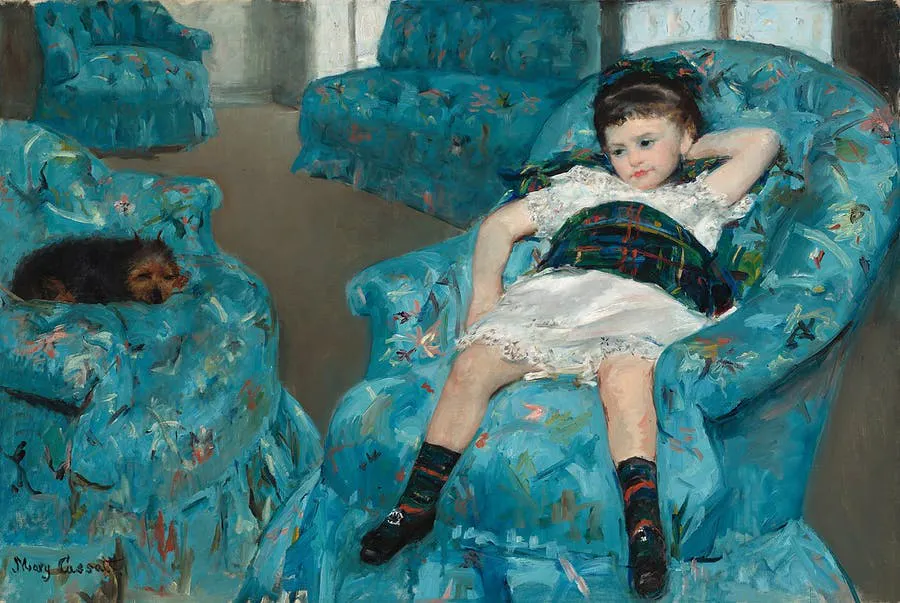
Gifted with an independent and determined spirit, Cassatt never let herself be intimidated by her father, who criticised her desire to pursue an artistic career seriously and denied her financial aid. She instead worked hard to perfect her technique and knowledge. In 1868, when she was only twenty-four, her painting Mandolin Player was accepted by the prestigious Salon de Peinture et de Sculpture; three years later, commissioned by the archbishop of Pittsburgh, the artist went to Parma to make two copies of Correggio's paintings. The advance was enough to cover her travel expenses and part of her stay, allowing her to "live on art" as she had always wanted.
See also: The Art of Motherhood
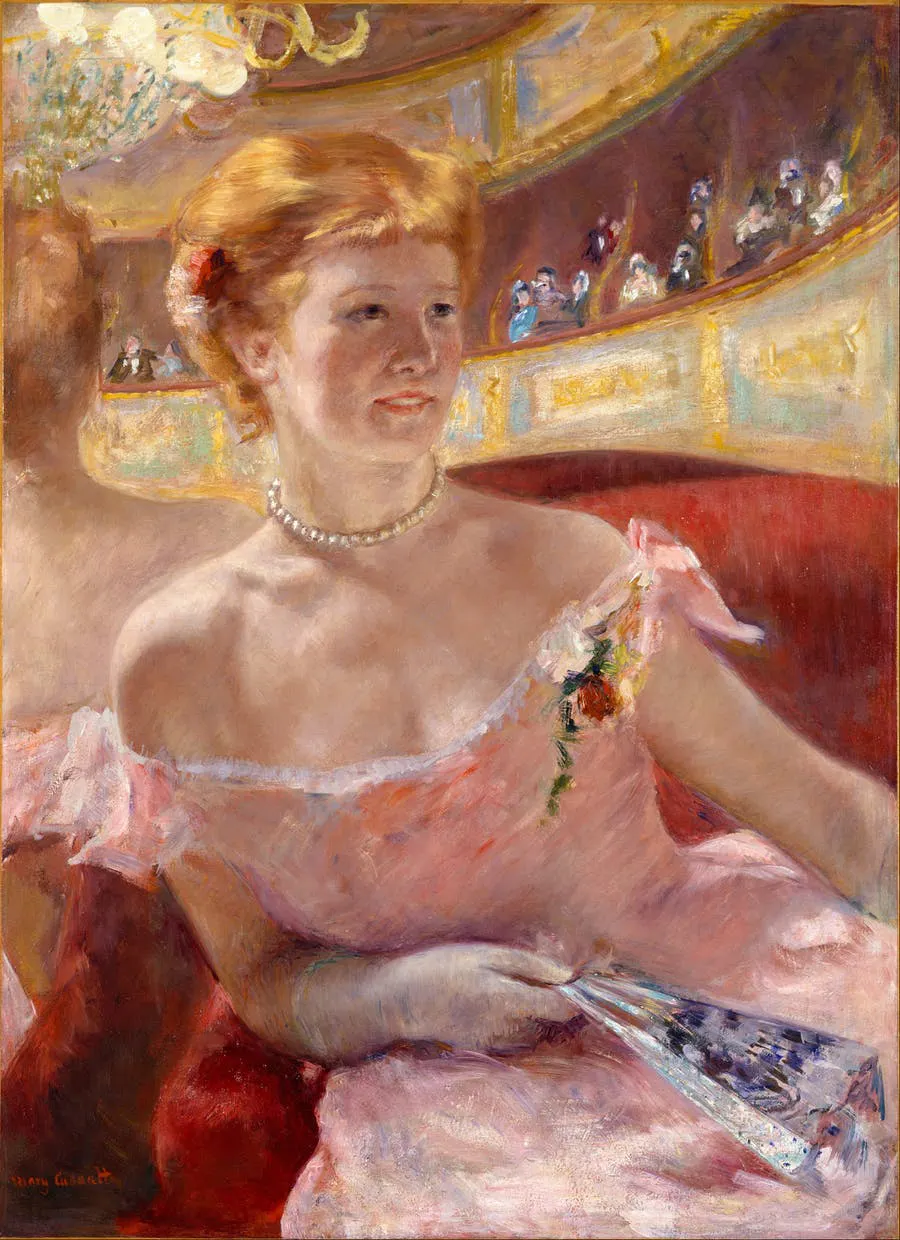
Her stay in Parma was pleasant, since the local artistic community welcomed her kindly, supporting and encouraging her creative endeavours. After the Italian stop and a further trip to Spain, she decided to settle permanently in Paris, where she was joined by her beloved sister Lydia, who often served as a model for her.
See also: On Rocky Paths: Female Artists from the Renaissance and Enlightenment
Her skill began to attract the attention of some great artists, including Edgar Degas, who felt a profound affinity between his own art and that of Cassatt. The two met in 1877 and began a friendship that lasted a lifetime, united by their common love for art. Degas introduced Cassatt into the circle of the Impressionists, with whom he exhibited in 1879, and influenced her painting style. For her part, Cassatt broadened the horizons of the French painter, introducing him to the US market. Also gifted with an entrepreneurial spirit, the artist introduced the American market with works not only by Degas, but also by Pierre-Auguste Renoir, Claude Monet, Edouard Manet, Camille Pissarro and Morisot.
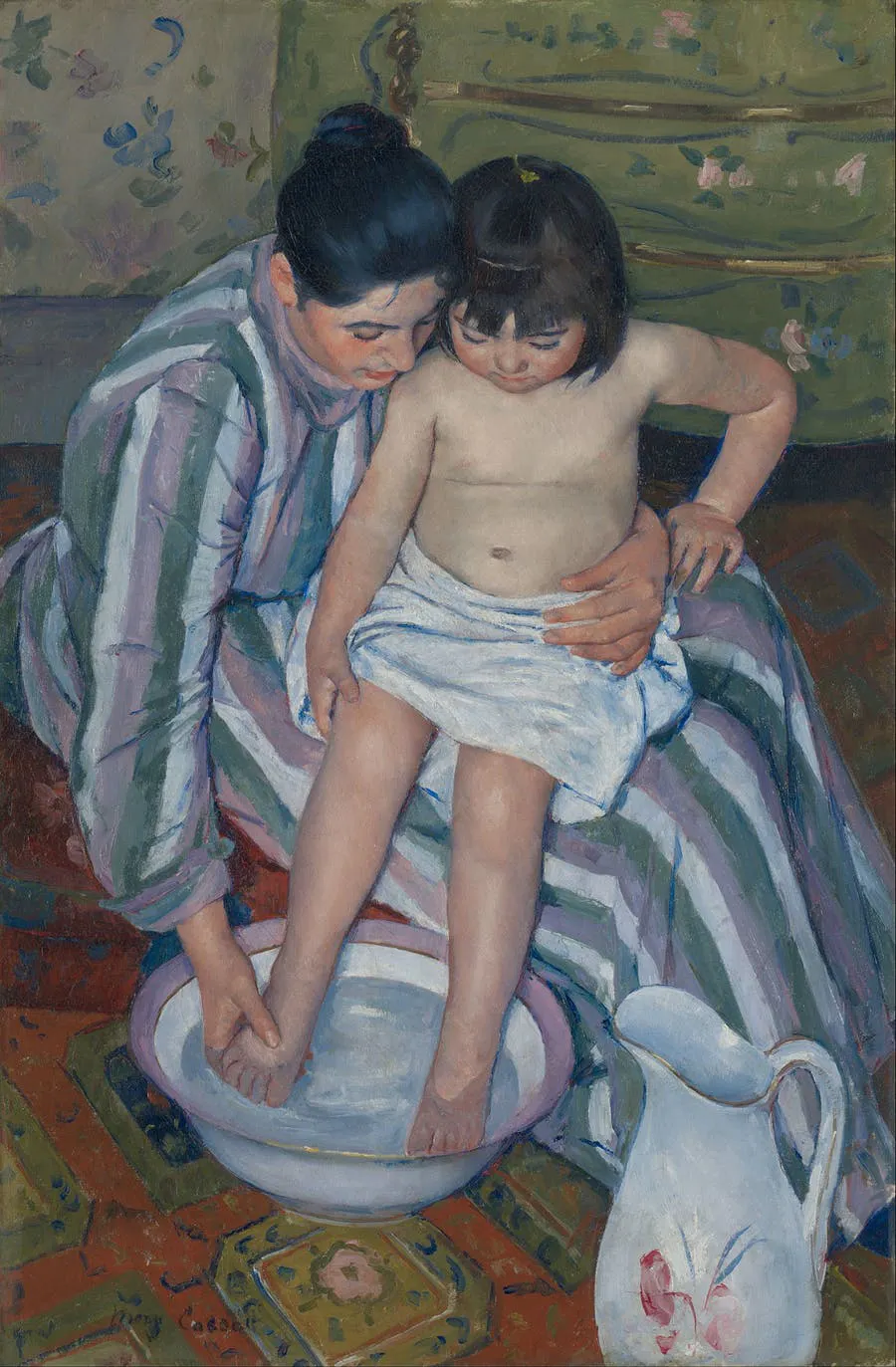
In 1882, her beloved sister Lydia, who was in poor health, passed away, leaving an unbridgeable void in the painter's soul. Due to this great pain, Cassatt was unable to work for a while. Once recovered, she continued her rebellion against a father who opposed her artistic ambitions, and against the prejudices and social conventions of the time. She decided to depart from the Impressionist style, rejecting any label and any identification with other artistic movements and experimented with new techniques, such as Japanese art.
See also: 8 Patrons of the Parisian Avant-garde
Rather than the more common landscapes, Cassatt loved portraying ordinary women immersed in their familiar surroundings. Her paintings are imbued with maternal themes, such as child care. Cassatt excelled in portraying mothers and children, with a lucid pictorial introspection, precise, rigorous drawing and quick brushstrokes that emphasised the chromatic effects and extreme delicacy. She didn't marry and had no children, but reproduced on canvas the intimate magic of the symbiotic and exclusive mother-child relationship, with a perfect mix of rationality and poetry.
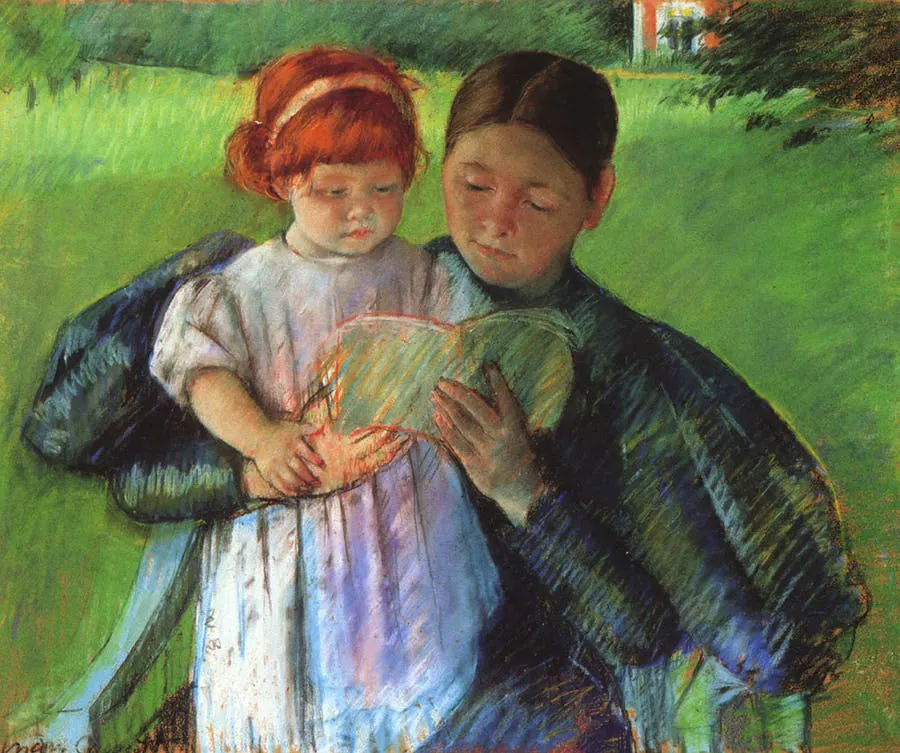
In 1904, Cassatt turned down the Walter Lippincott Prize awarded to her by the Philadelphia Academy of Fine Arts for her painting The Caress, suggesting that they give the money to a young artist in need. In the same year she received the prestigious Legion of Honor, the highest honour conferred by the French state, by virtue of the enormous contribution made to the art in France. Throughout her life, Cassatt challenged imposed canons, encouraged many young artists, and urged women in general to be independent and to cultivate their dreams and talent.
The death of her brother Gardner in 1911 deeply affected Cassatt, who plunged into a great depression, which was made worse by other health problems related to diabetes. In 1914, she was forced to stop painting due to an onset of blindness, but she continued to fight for the rights of her contemporaries, presenting a series of works at an exhibition organised to support the movement for the right to vote of women. She passed away aged 82 on 14 June 1926, leaving an impressive moral and artistic legacy.
The figure of Mary Cassatt was important for the perseverance and stubbornness with which she defended her dream of pursuing an artistic career against any imposed canon, in a world dominated by men. Determined and a dreamer, the painter became an icon of women's independence, and her talent, melding two different American and European styles, helped spread the Impressionist movement overseas. Today, her works fetch seven figures on the auction market. Her record-setting painting is Children Playing with a Dog, which sold for $6.2 million (£3.1 mil) at Christie's in 2007 (though it was later resold at Christie's in 2018 for $4.8 million, or £3.8 mil).