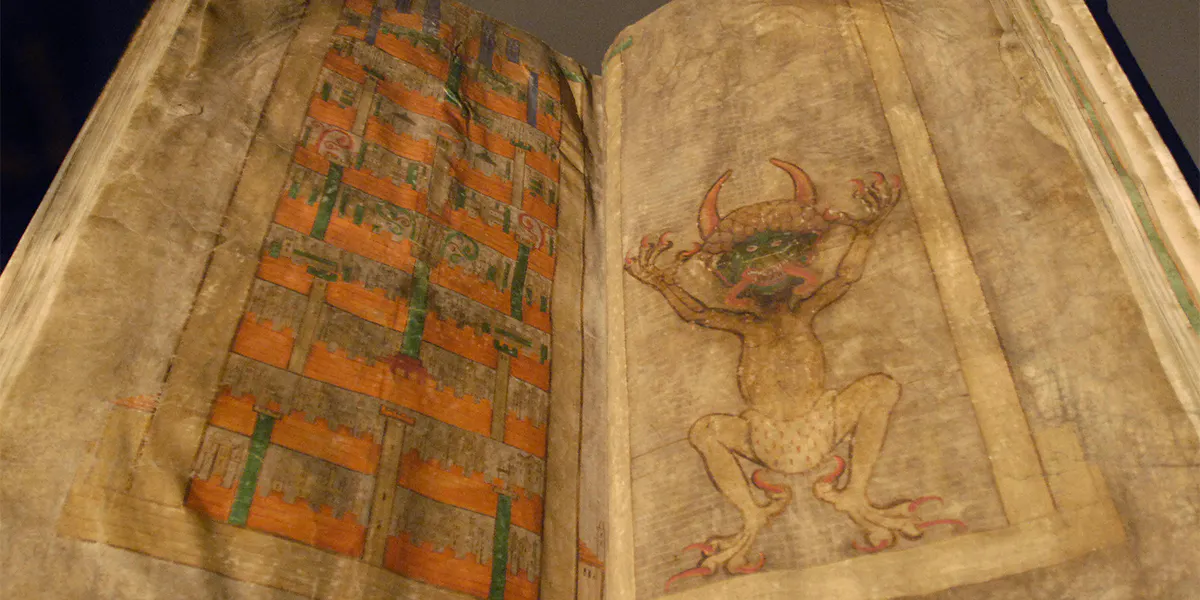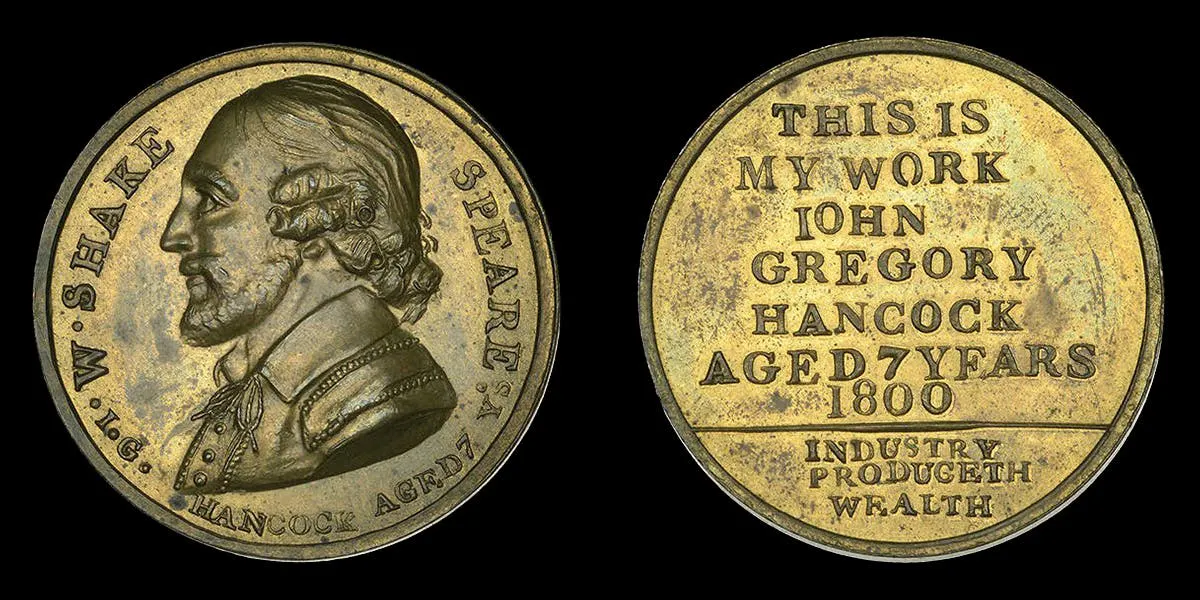
Since 2001, the online encyclopedia Wikipedia has become a popular go-to source for quick information on a vast array of topics. It now exists in 339 active language editions — from the largest, English, with around 6.9 million articles, to Cree, an Algonquian language spoken in Canada and Montana, which currently has just 12 articles.
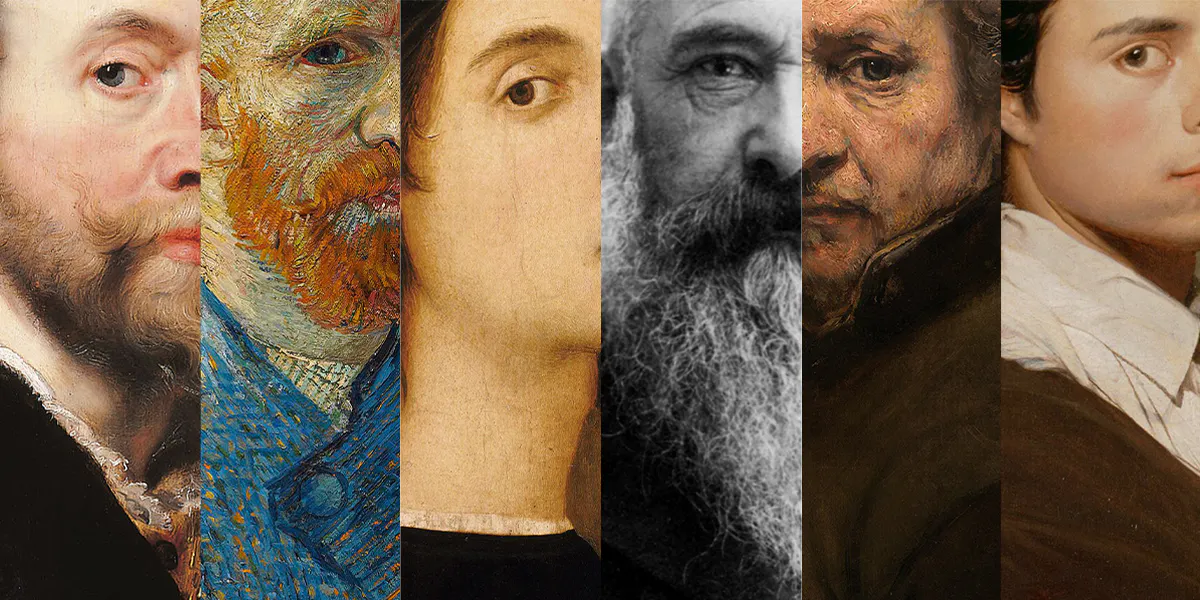
We explored which artists are most frequently honoured with their own Wikipedia articles across these different language editions.
20. William Blake (100 Languages)
While Sandro Botticelli and Édouard Manet just missed the top 20, the 20th spot is occupied by a name that might come as a surprise: William Blake, who distinguished himself not only as a painter, but above all as a poet. Blake’s written and painted oeuvre has inspired countless artists across a wide range of disciplines—from writers to film directors.
See also: The 10 Scariest Paintings in Art History
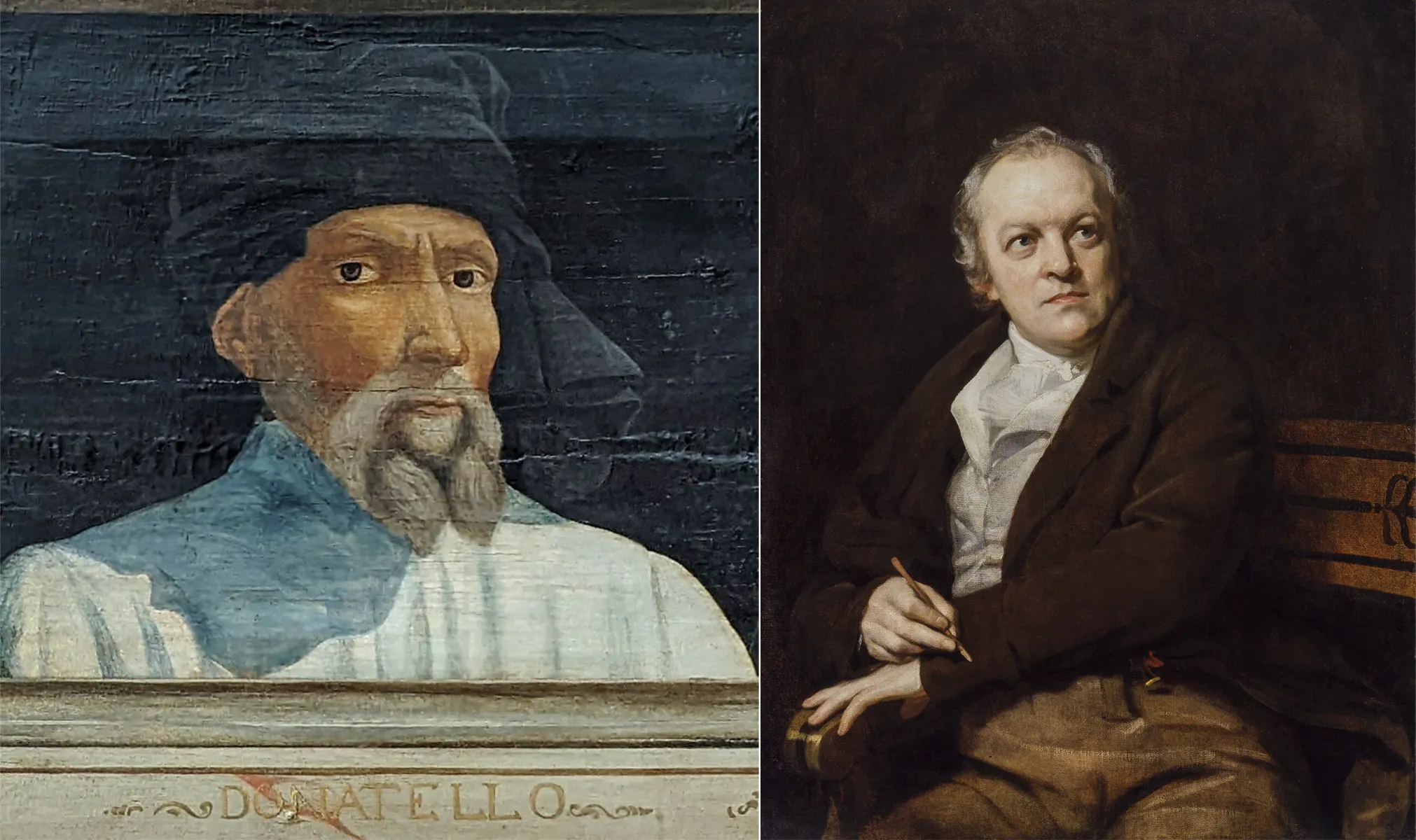
20. Donatello (100 Languages)
Around 1430, Donatello created his David, the first full-length male nude in life-size since antiquity, complete with contrapposto. The bronze sculpture is the most famous work by the early Renaissance artist from Florence and is the namesake of the David di Donatello, Italy’s most prestigious film award.
19. Edvard Munch (102 Languages)
Even though Edvard Munch’s overall body of work is undoubtedly fascinating and groundbreaking, it is his famous Scream that achieved worldwide fame and became an icon of pop culture. There are four versions, two of which were stolen from their respective museums in 1994 and 2004 (but later recovered), and another that in 2012 became the most expensive artwork ever sold at auction at the time.
See also: Edvard Munch: The Colours of the Soul
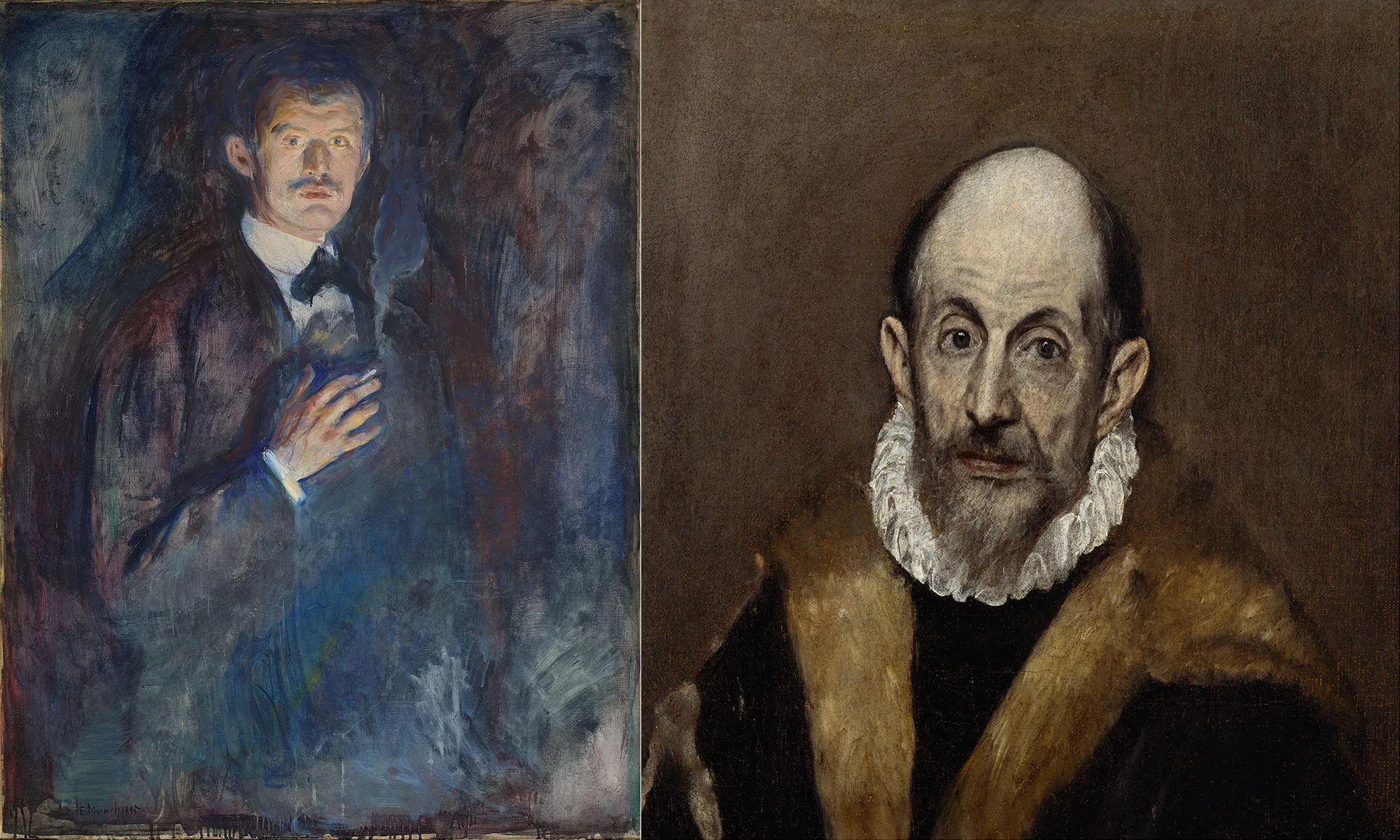
18. El Greco (105 Languages)
Domenikos Theotokopoulos, born in Crete and later known as El Greco in Spain, where he spent most of his life, developed a highly individual interpretation of Mannerist painting. Although he quickly faded into obscurity after his death, it was primarily modern artists who rediscovered him and his distinctive style.
See also: El Greco: A Meeting of East and West
17. Jan Vermeer (107 Languages)
The Dutch Baroque painter Jan Vermeer owes his current popularity primarily to his painting Girl with a Pearl Earring, which gained increased attention through a novel and its film adaptation starring Scarlett Johansson.
See also: Jan Vermeer: The Mysterious Master of Light
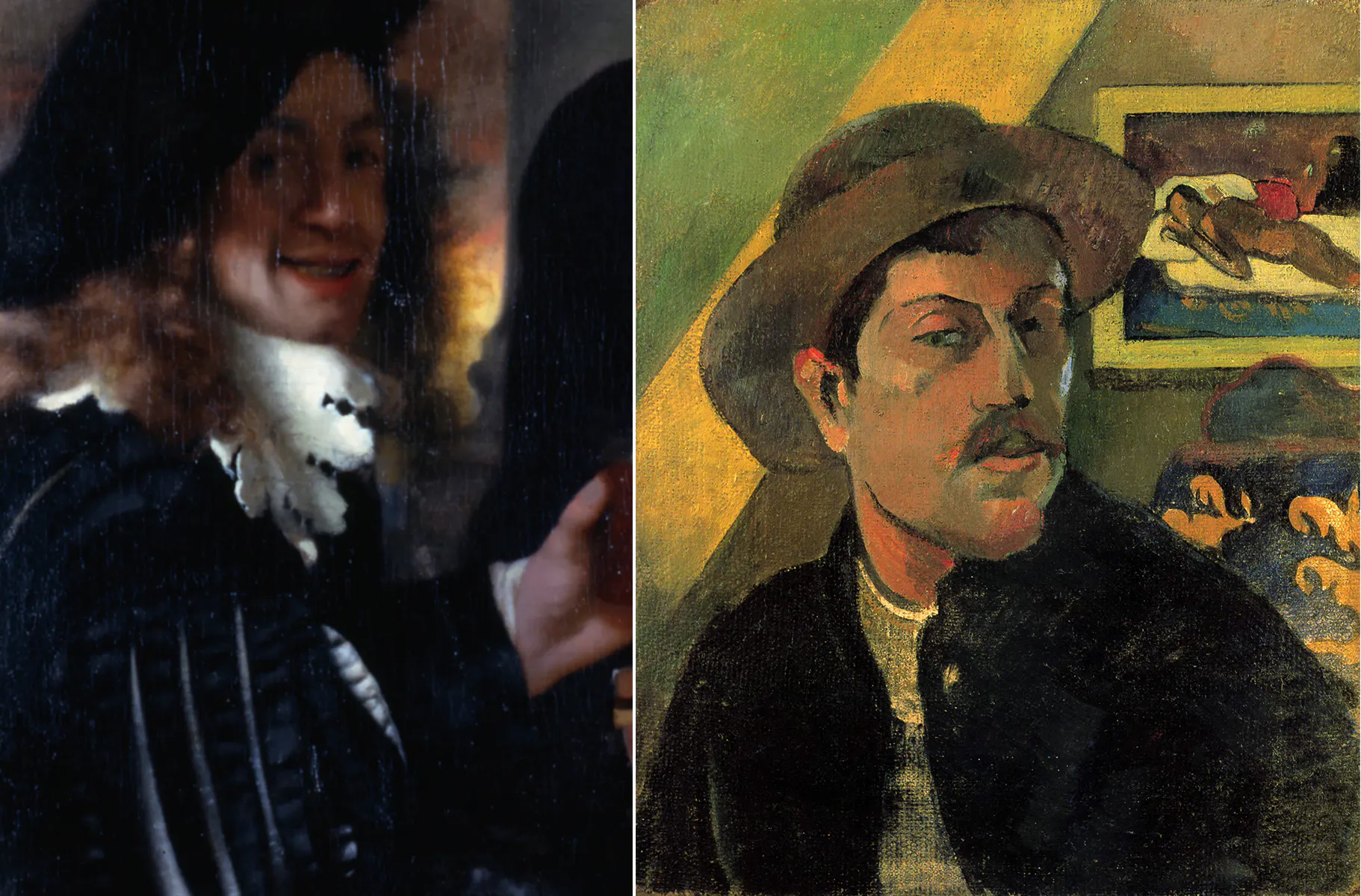
16. Paul Gauguin (111 Languages)
Paul Gauguin is part of the illustrious circle of painters whose works have fetched over 100 million euros on the art market. Particularly popular are his paintings created in French Polynesia, where he lived — aside from a brief interruption — from 1891 until his death.
See also: Paul Gauguin: The Lost Innocence
15. Paul Cézanne (112 Languages)
The significance of Paul Cézanne’s art was recognised during his lifetime by only a relatively small circle of progressive painters and critics. However, after his death, Cézanne’s work was discovered by a new generation of artists — including Picasso, Matisse, and Braque — who built their own creations upon it.
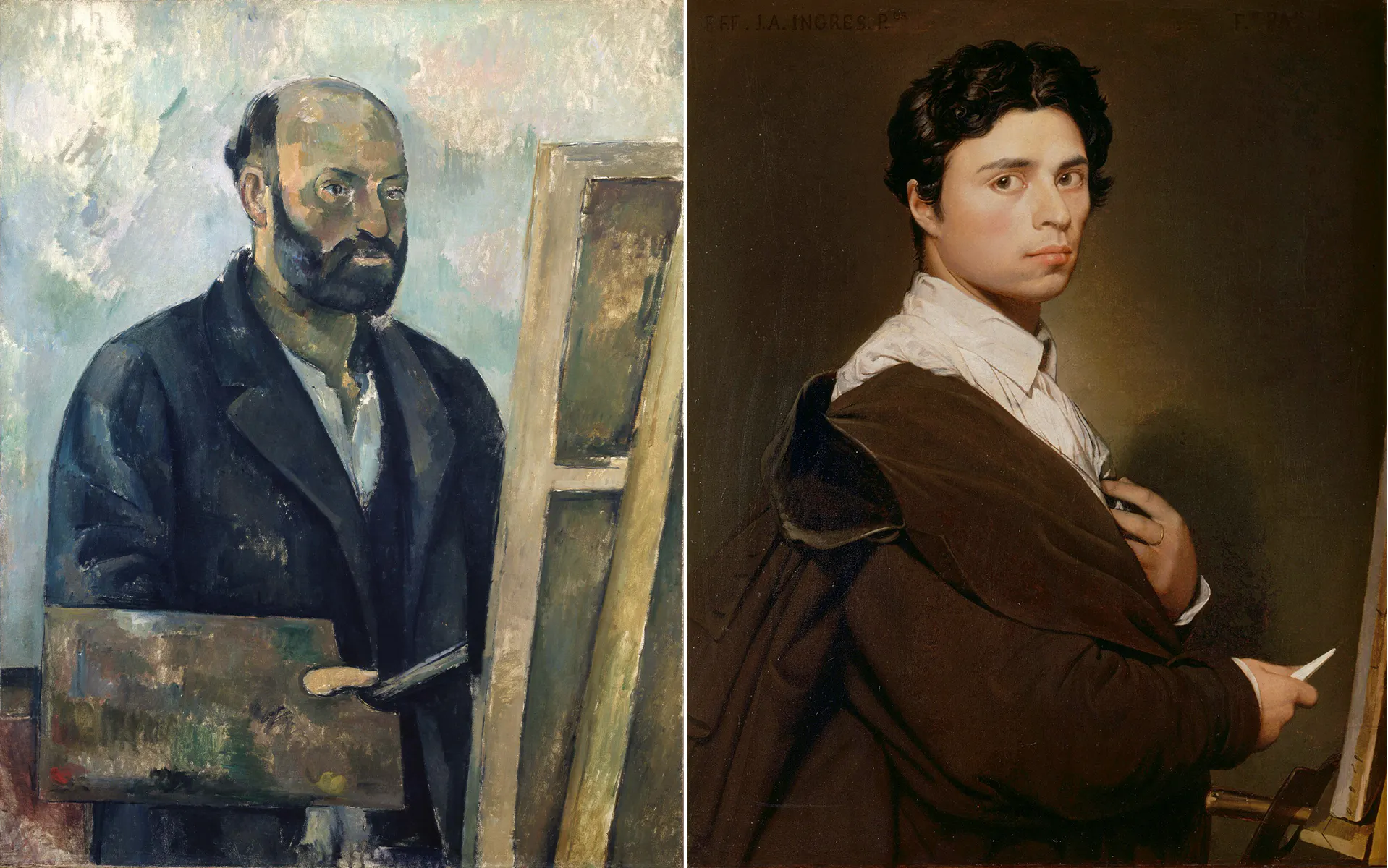
14. Jean-Auguste-Dominique Ingres (121 Languages)
The Neoclassical painter Jean-Auguste-Dominique Ingres regarded line as the foundation of his art, which made him the counterpart to his contemporary Eugène Delacroix, who favoured colour. Ingres’ preferred subject was history painting, but he was also a sought-after portraitist.
See also: Jean-Auguste-Dominique Ingres and the Power of Classicism
13. Claude Monet (130 Languages)
Claude Monet is most commonly associated with his water lily paintings, to which he dedicated the final decades of his life and career. He can also be regarded as the “father of Impressionism”, as it was his painting Impression, Soleil Levant that (unintentionally) gave the movement its name in 1874.
See also: Claude Monet: The Father of Impressionism
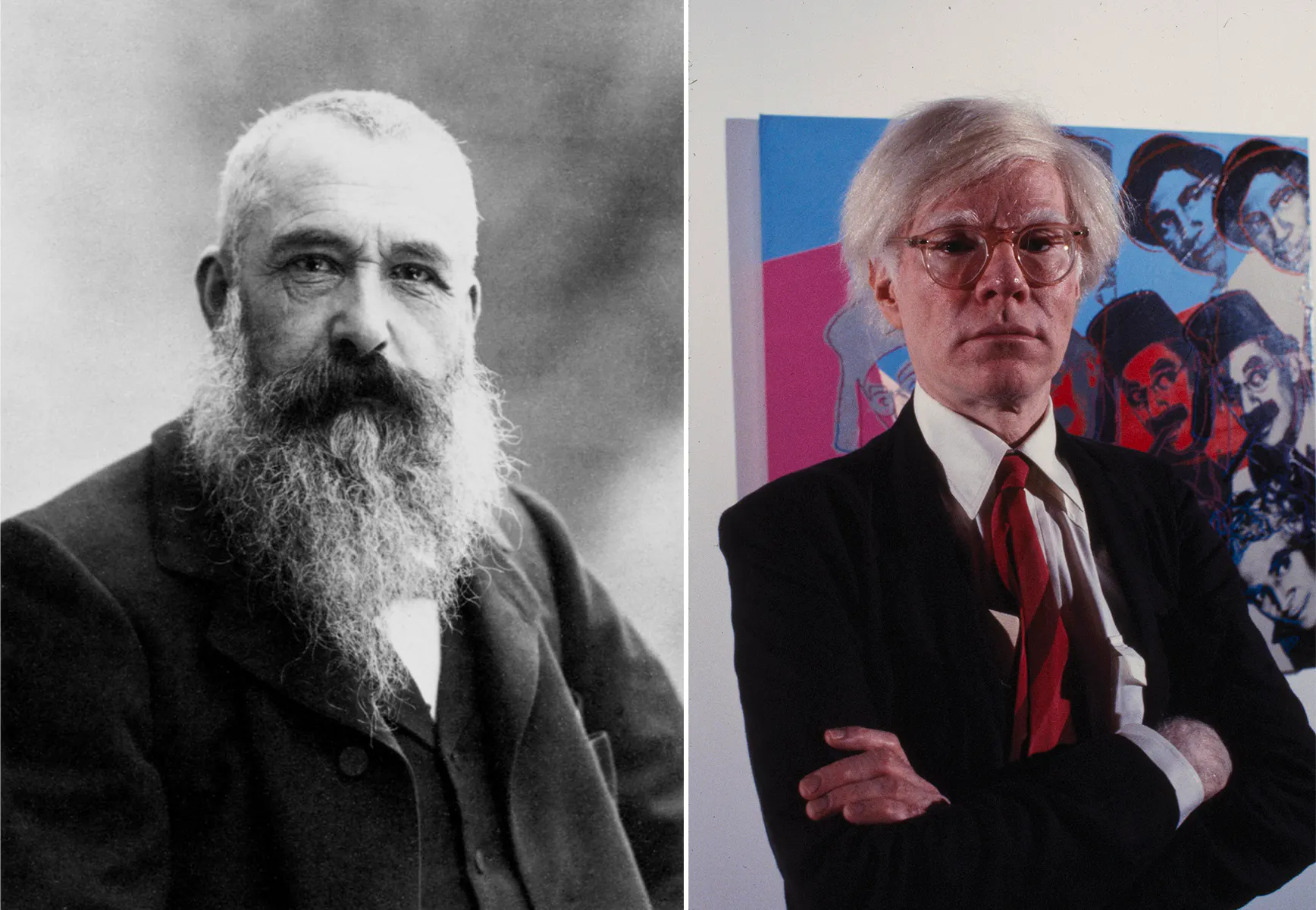
12. Andy Warhol (140 Languages)
With his art, created in post-war America, Andy Warhol pointed towards the direction society would take in the future: mass consumption. Having begun his artistic career in advertising, Warhol knew what he was talking about. He focused on familiar motifs and reproductions, blurring the line between art and commerce.
See also: Andy Warhol: The Pope of Pop
11. Henri Matisse (150 Languages)
Henri Matisse can undoubtedly be regarded as one of the greatest artists of the 20th century. Matisse, through his co-founding of Fauvism, helped pave the way for Classical Modernism. He shared a friendship with Picasso that was marked by mutual respect, but also by rivalry.
See also: Matisse: Master of The Fauves
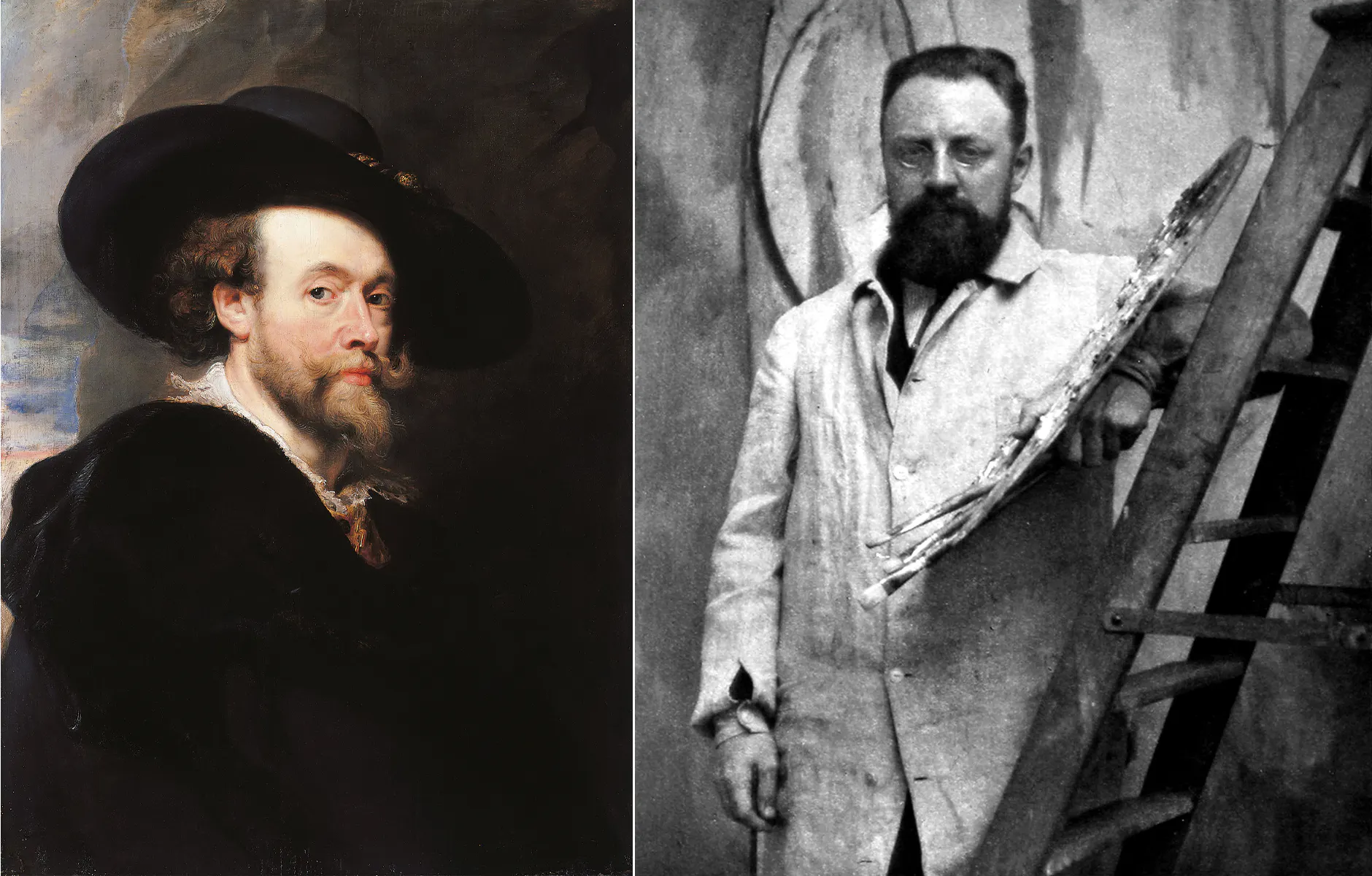
11. Peter Paul Rubens (150 Languages)
Hardly any other artist enjoyed as much fame during his lifetime as Peter Paul Rubens. Born in the quiet town of Siegen, he set out to conquer Europe – and not only with his widely admired paintings. His princely patrons employed him as a diplomat, and Rubens was eventually even ennobled.
See also: Peter Paul Rubens: Court Painter and Diplomat
10. Diego Velázquez (152 Languages)
A similarly brilliant career was granted to Diego Velázquez. It was the well-travelled Rubens who inspired his colleague, 22 years his junior, to visit Italy and study the masters there. By that time, Velázquez was already court painter to the Spanish king, a position he held for 37 years until his death.
See also: Diego Velázquez: The Spanish Court Portraitist
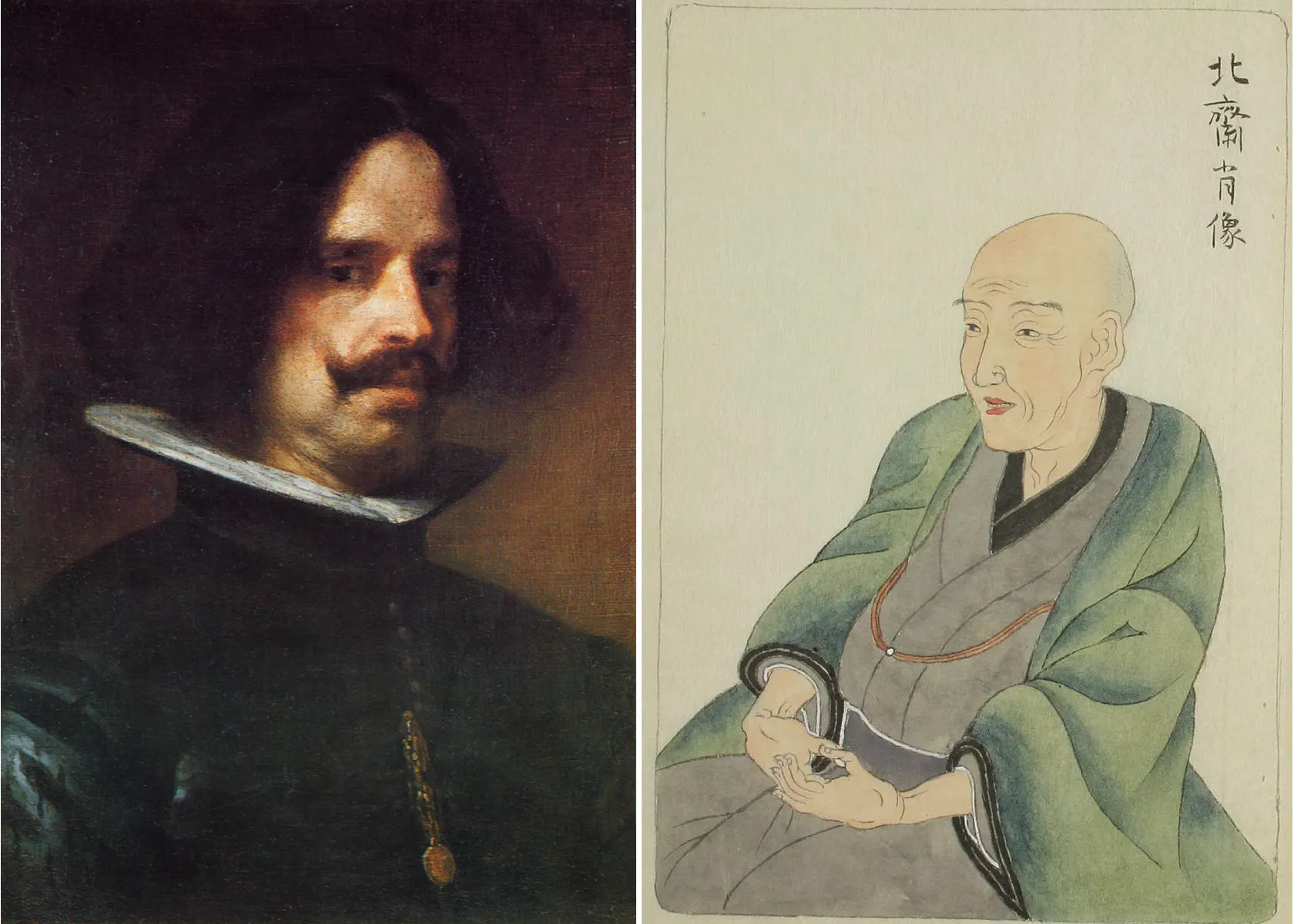
9. Katsushika Hokusai (155 Languages)
The Japanese ukiyo-e artist Katsushika Hokusai owes his present-day fame to a single work: Under the Wave off Kanagawa, better known as The Great Wave off Kanagawa, from the colour woodcut series Thirty-six Views of Mount Fuji, dating from 1836. The artwork is an absolute icon — even an emoji version of it exists.
See also: How One Man Built His Entire Hokusai Collection
8. Francisco de Goya (158 Languages)
The work of Francisco de Goya is characterised by a sometimes unflinching honesty. Although he was a Spanish court painter, he did not shy away from portraying the family of King Charles IV in an unidealised, almost grotesque manner. His aquatint series Los Caprichos and Los desastres de la guerra are both powerful and disturbing, expressing social criticism and illustrating the horrors of war.
See also: The 7 Most Expensive Works by Francisco Goya
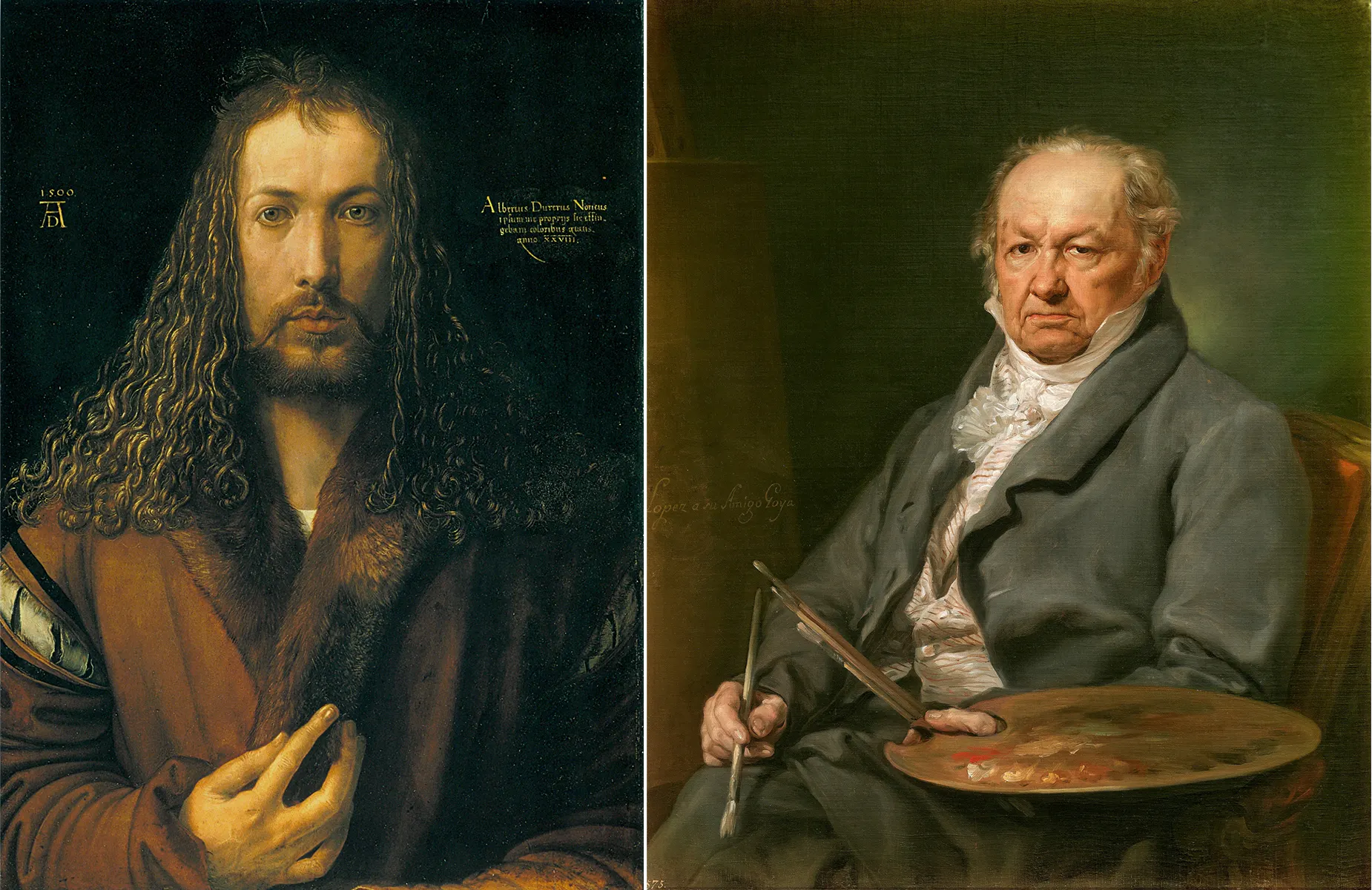
8. Albrecht Dürer (158 Languages)
With his self-portraits, woodcuts and engravings, Young Hare and Praying Hands, the Renaissance artist Albrecht Dürer continues to fascinate to this day. He was also a true pioneer of self-promotion, having his work and his famous artist's monogram protected by the emperor himself.
See also: Albrecht Dürer: 5 Extraordinary Facts
7. Frida Kahlo (166 Languages)
With her blend of Surrealism and New Objectivity, the Mexican artist Frida Kahlo created a visual language all of her own. More than her art, however, it is Kahlo herself who has become a celebrity, with a life story that fascinates and a look that is absolutely iconic.
See also: The True Story Behind Frida Kahlo's Iconic Style
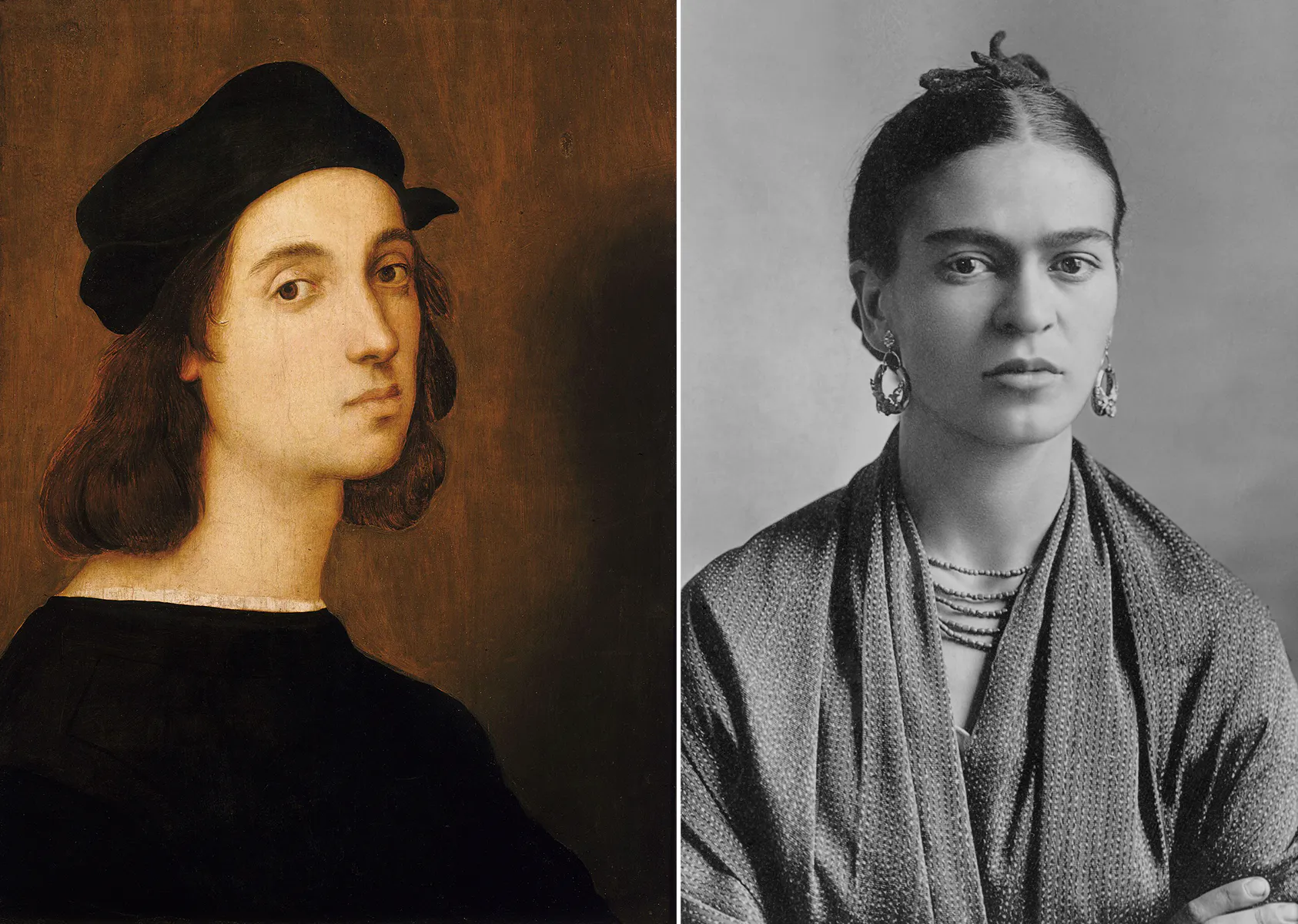
6. Raphael Sanzio (168 Languages)
Raphael’s fame, already well established during his lifetime, endured long after his death – for 300 years he was regarded as the ultimate master in the history of art. His work in Rome under Popes Julius II and Leo X had a lasting influence on subsequent generations of artists. His early death at the age of 37 contributed to the formation of his legend.
Want more articles like this straight to your inbox? Subscribe to our free newsletter!
5. Rembrandt van Rijn (176 Languages)
With around 350 paintings, 300 etchings and 1,000 drawings, Rembrandt Harmenszoon van Rijn left behind an extensive body of work. His large-format painting The Night Watch from 1642 is particularly famous and is prominently displayed at the Rijksmuseum in Amsterdam.
See also: Rembrandt: Painter of the Soul
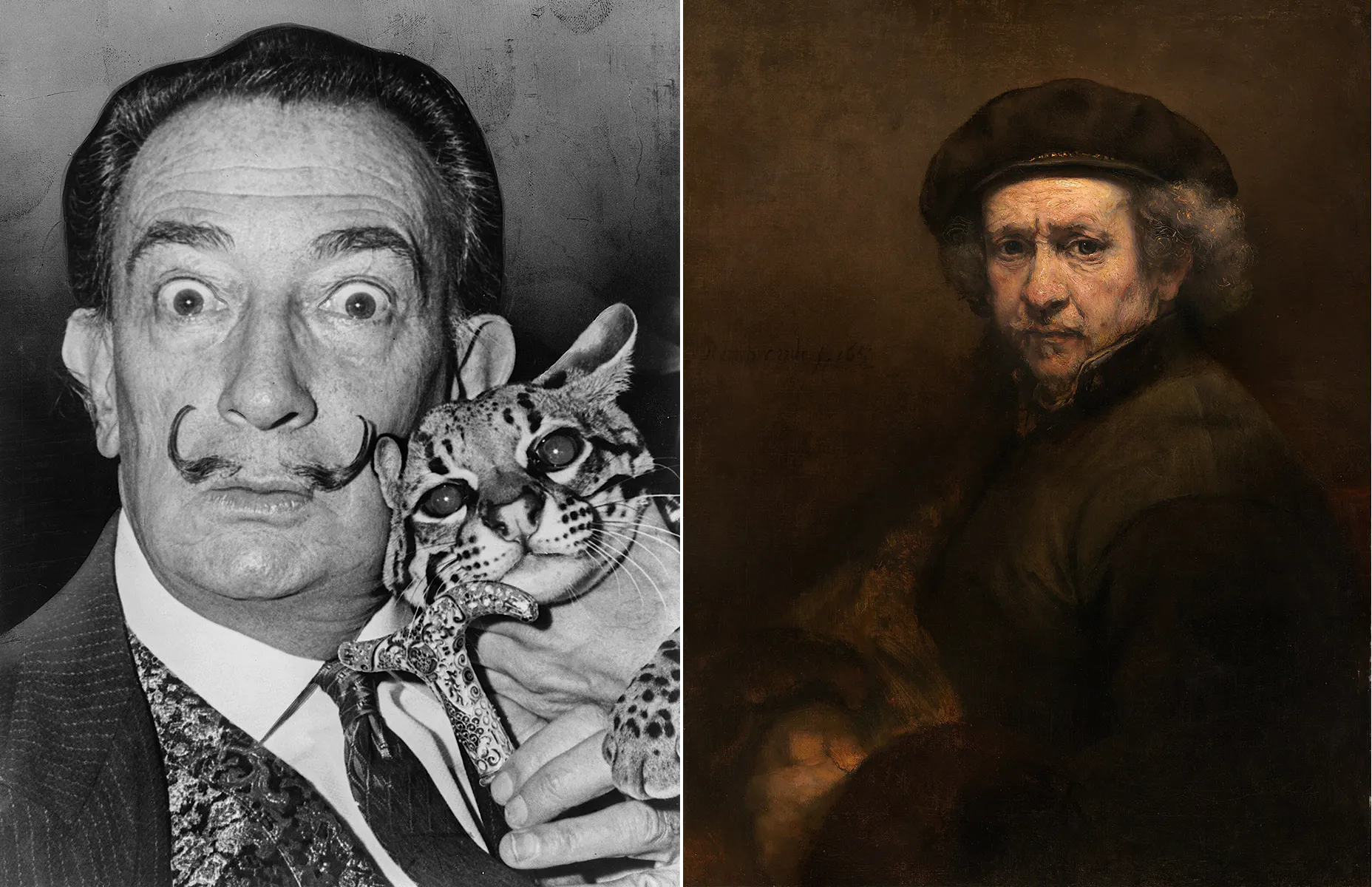
4. Salvador Dalí (197 Languages)
Surrealist Salvador Dalí is another example of an artist who became an icon not only through his art but also through his own persona. Known for his eccentric appearance, it is above all his upward-twisted moustache that has achieved cult status – most recently through the popular Netflix series Money Heist.
See also: Salvador Dalí: Art Crazy
3. Pablo Picasso (204 Languages)
Hardly any other artist has shaped and defined 20th-century art as profoundly as Pablo Picasso. The Cubism he co-founded opened up entirely new possibilities of representation. In his later work, he turned to an entirely new medium once again: ceramics. The total number of artworks he created is estimated at around 50,000.
See also: Picasso: The Universal Artist
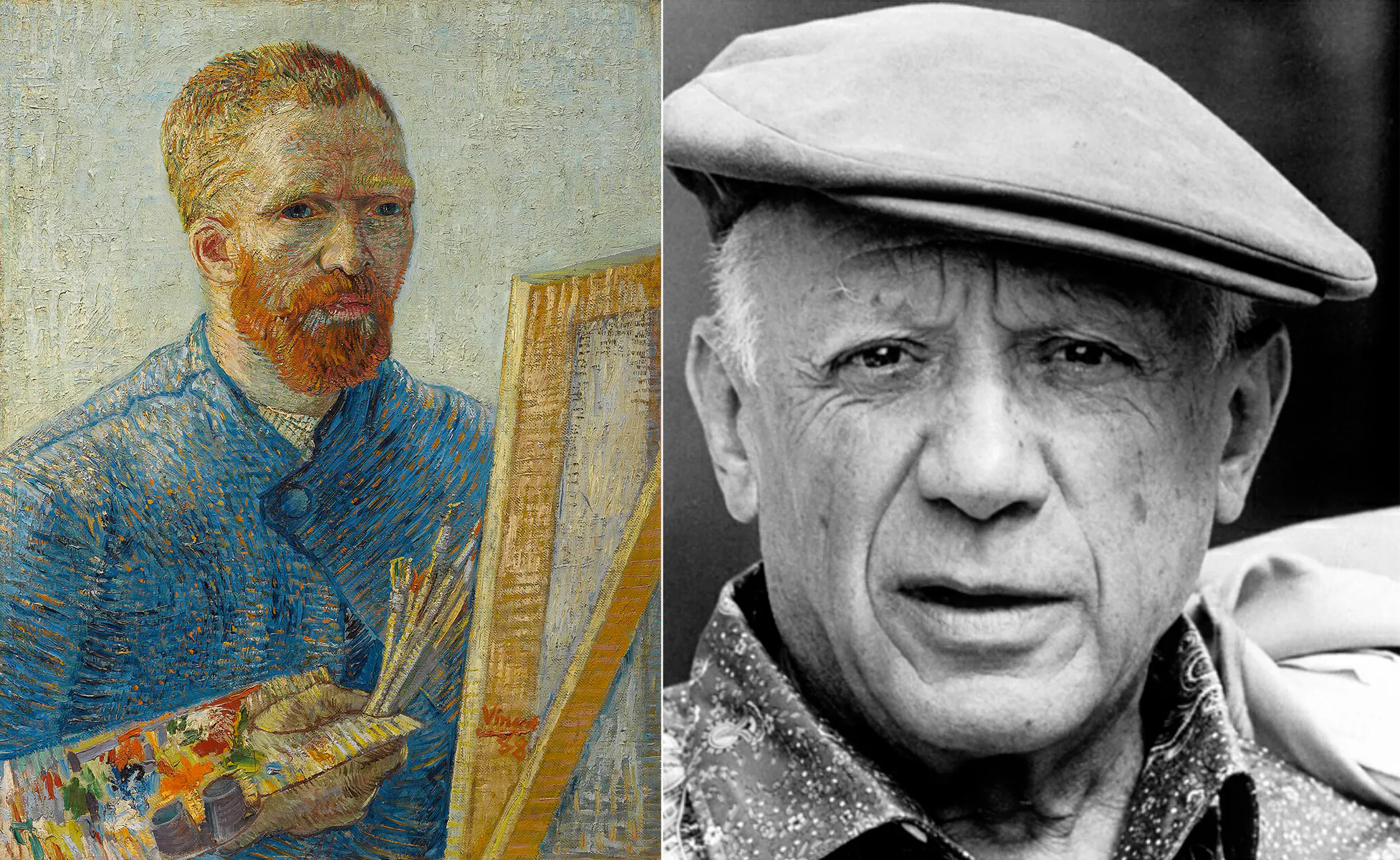
2. Vincent van Gogh (210 Languages)
Vincent van Gogh captivates not only through his extraordinary paintings but also through the enigmatic and troubled life he led — including the infamous episode of the severed ear. Although largely unrecognized during his lifetime, it was his sister-in-law, Johanna van Gogh-Bonger, who played a crucial role after his death in transforming him into the world-renowned and beloved artist we know today.
See also: Vincent van Gogh: The Myth of the Tortured Artist
2. Michelangelo Buonarroti (210 Languages)
With his monumental David and Sistine Chapel murals (including The Creation of Adam), the Renaissance artist Michelangelo Buonarroti undoubtedly created works for the ages that make him one of the most famous artists in the world. From 1547 until his death in 1564, he also served as chief architect during the construction of St Peter’s Basilica.
See also: Michelangelo: From Man to Genius
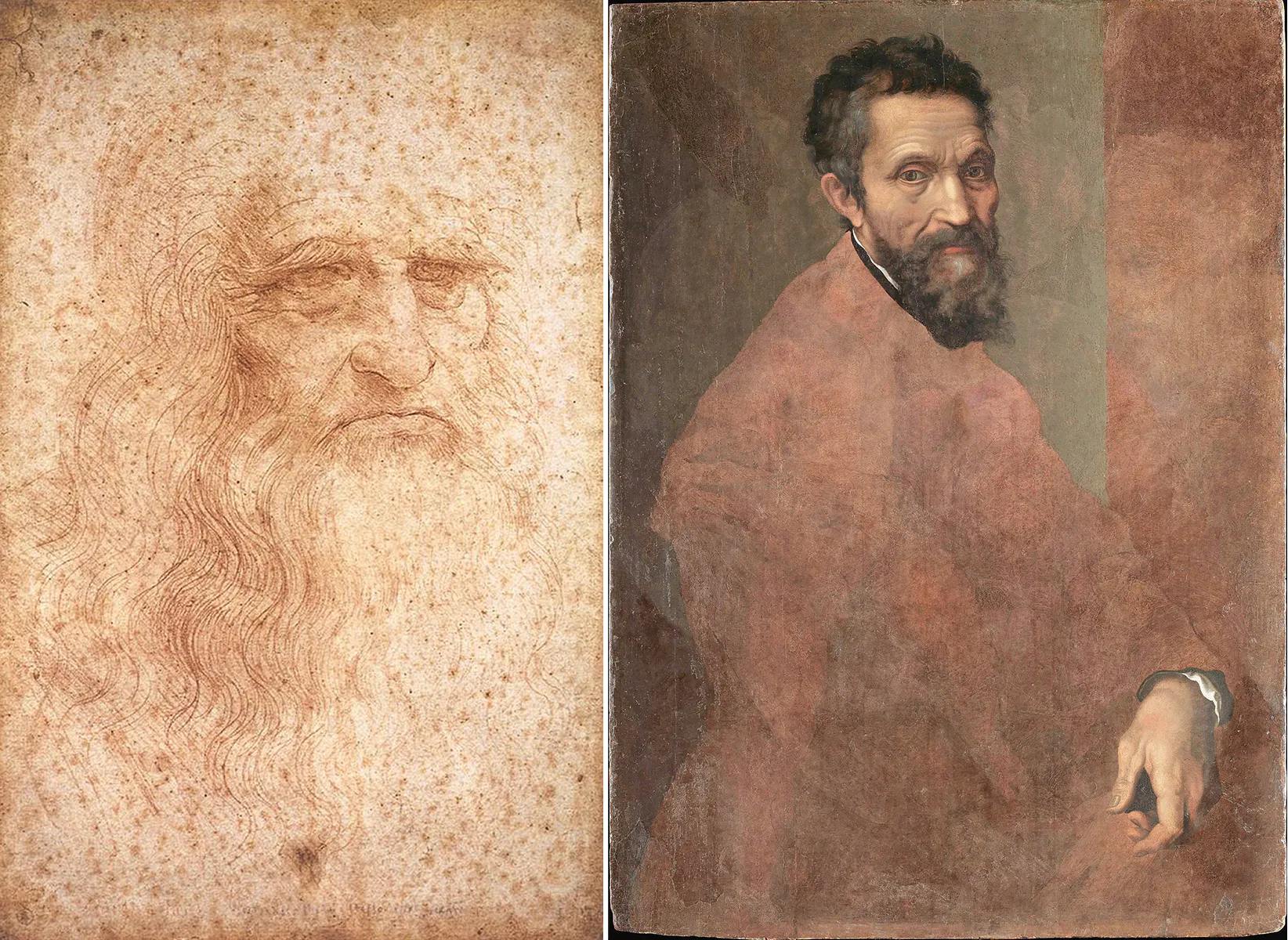
1. Leonardo da Vinci (238 Languages)
The number 1 spot on this list should come as no surprise, as it is held by the artist who created the Mona Lisa — arguably the most famous artwork in the world. There are Wikipedia articles about the Mona Lisa in 131 languages, which puts many of the other artists on this list in the shadow. Both the multi-talented Leonardo da Vinci and his work are surrounded by mystery, making them perfect subjects for fact and fiction alike (cue The Da Vinci Code).